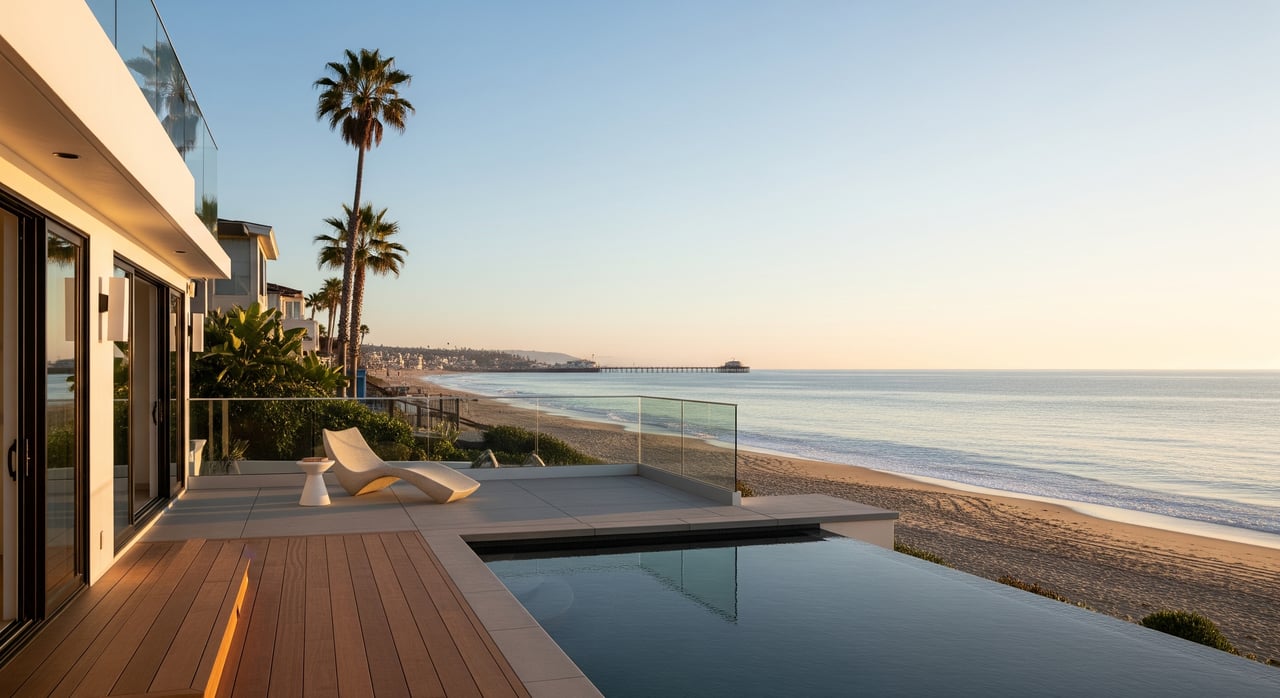
Trying to decide between North and South Redondo? You are not alone. Each side offers a different rhythm, from quiet blufftop streets to a lively marina scene, and the right fit comes down to how you want to live day to day. In this guide, you’ll learn how locals define each area, how the housing stock differs, what to expect for commute and amenities, and a simple framework to help you choose with confidence. Let’s dive in.
How locals define North vs South
Locals often use “North Redondo” and “South Redondo” as shorthand rather than strict boundaries. Think in terms of landmarks instead of lines on a map. North Redondo generally refers to the blufftop and inland neighborhoods around the Hollywood Riviera and the Riviera Village shopping district. South Redondo generally centers on the Redondo Beach Pier, King Harbor, and the beachfront and marina corridor.
These areas blend at the edges, so expect some overlap on maps and in conversation. Use recognizable anchors like Riviera Village, the Pier, and King Harbor to orient yourself when you tour.
Homes and architecture at a glance
North Redondo homes
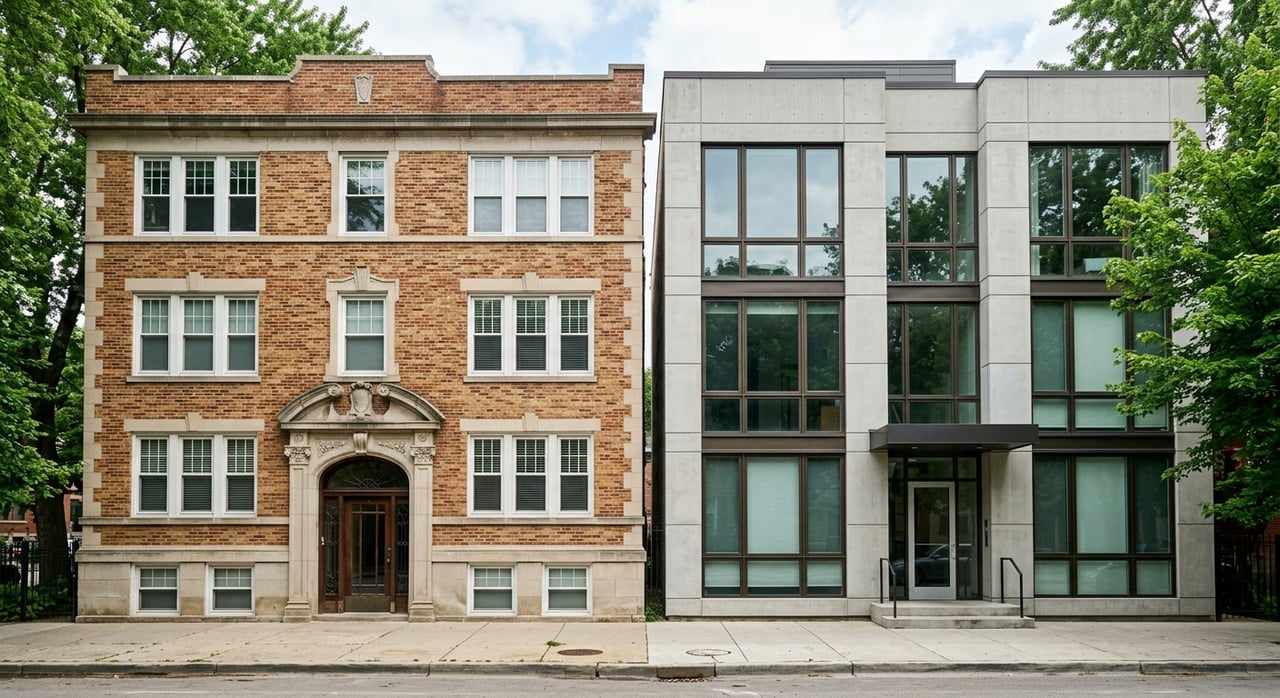
If you want a quieter residential feel, North Redondo’s blufftop and inland neighborhoods are a strong match. You’ll find many single-family homes on established lots, with yard space that is less common right along the beach. Architecture includes older homes from the early to mid 20th century, including Spanish and California bungalows, mid-century ranch styles, and remodels.
Ownership tends to be more long term in many pockets, and building height and density are generally lower than along the waterfront. Renovations and upgrades are common, so pay attention to recent systems updates and seismic retrofits when you tour.
Key ownership notes for North
- Maintenance: Older single-family homes may need systems upgrades like roofing, plumbing, or seismic work.
- Insurance: Earthquake insurance is a citywide consideration. Coastal wind and flood exposure is typically lower inland than right at the marina, but confirm any property’s designation.
- Parking: Streets are usually calmer than the Pier corridor, but local regulations still apply.
South Redondo homes
If your goal is to live steps from the sand or marina, South Redondo delivers. This area has a higher concentration of condos, townhomes, and apartments, especially near the Pier and King Harbor. Many buildings are designed for coastal living with smaller footprints and vertical layouts, and you’ll see a mix of mid to late 20th century complexes plus periodic newer infill.
Ownership in these buildings is mixed. You’ll encounter primary residents, second-home owners, and investors. If you are considering a condo or townhome, plan to review HOA coverage and building health carefully.
Key ownership notes for South
- HOA fees: Expect monthly fees that cover common areas and exterior items, and sometimes water or structural insurance. Review what is included and the reserve fund status.
- Insurance: Waterfront proximity can increase premiums for wind and flood. Check flood zone maps and whether a building is near seawalls or the marina.
- Maintenance: Coastal exposure can accelerate exterior wear. Ask about recent or pending special assessments.
- Parking and permits: Tourist traffic near the Pier can increase parking pressure. Confirm assigned spaces, guest parking rules, and municipal permit programs.
- Rental rules: Redondo Beach has specific rules for short-term rentals. If you plan to rent, verify current restrictions and permit requirements.
Lifestyle and daily rhythm
Beach and recreation
South Redondo puts you closest to the Redondo Beach Pier, King Harbor, and the strand. It is ideal if you want quick access to boating, paddle sports, and waterfront paths. Expect more foot traffic, especially on weekends and during peak seasons.
North Redondo keeps you close to coastal overlooks and beach access points, though many addresses are a longer walk to the Pier. You still enjoy ocean breezes and views in some blufftop spots, with a calmer day-to-day pace.
Dining and shopping
South Redondo offers a cluster of seafood spots, casual dining, and bars around the Pier and harbor. The selection is lively and visitor-friendly, with nightlife and seasonal events.
North Redondo centers on Riviera Village and nearby residential commercial streets. You will find boutique shops, cafes, and neighborhood restaurants that support an everyday, village-style routine.
Walkability and microclimate
Walkability is strongest directly around the Pier and Riviera Village. As you move inland, streets become more car dependent, which is typical for coastal suburbs. Microclimates also shift across short distances. Mornings near the water can be cooler with marine layer, while some blufftop areas see more sun and breezes.
Parks and schools
Both areas are served by Redondo Unified School District, and attendance boundaries do not perfectly align with a North or South label. Always confirm a specific address for assignments. South Redondo brings beach parks and marina recreation to your doorstep, while North Redondo offers neighborhood parks and quieter open spaces.
Commuting and access
Major roads to know
Pacific Coast Highway runs through Redondo Beach and is the main coastal route. It is direct but can slow during tourist peaks. For inland commuting, you will rely on arterials like Artesia Boulevard, Hawthorne Boulevard, Redondo Beach Boulevard, and Torrance Boulevard to reach I-405 or I-110. Depending on the exact block, some North Redondo addresses can offer quicker access to these inland routes.
Transit and biking
Beach Cities Transit provides local bus service, and LA Metro buses also serve the South Bay. There is no subway or light rail station in the immediate downtown, so many commuters use bus connections or drive to regional rail and express services. The strand supports bike trips for short distances, though hills and arterial crossings can affect route safety in some pockets.
Time of day matters
Weekend and seasonal traffic near the Pier can slow South Redondo driving and parking. North Redondo can feel calmer at those times and sometimes offers a faster jump to freeways. No matter where you focus, test your specific commute at peak and off-peak hours before you commit.
Which area fits your lifestyle
Use these common profiles to pressure-test your fit.
- Family seeking yard and quieter streets: North Redondo’s blufftop and inland neighborhoods align with larger lots and a calmer pace. Check lot size, traffic calming, and proximity to Riviera Village.
- Beach-first buyer who wants a walk-to-marina life: South Redondo’s Pier and King Harbor corridor fits best. Focus on HOA rules, parking, potential noise, and insurance exposure near the water.
- Investor or buyer seeking a lower entry point on the coast: South Redondo has more condo and townhome options. Verify rental rules, building reserves, and recent assessments.
- Commuter to inland job centers who still wants coastal access: Micro-location matters most. Many North Redondo spots offer simpler freeway access, but timing and the exact address will drive your experience.
Quick trade-offs checklist
Ask yourself these questions to clarify priorities.
- Budget: Do you prefer single-family homes with yard space or condos and townhomes with HOA fees?
- Commute: Where are your job centers and what are realistic peak-hour times from the exact block?
- Lifestyle: Do you value quiet streets and a village scene or immediate beach and marina access with more activity?
- Maintenance: Do you want HOA-managed exterior care or private yard and systems maintenance?
- Insurance and risk: Are you willing to pay higher coastal premiums for waterfront access or views?
- Resale: Which product type in your target area best matches likely buyer demand when you sell?
Simple scoring method
- Rank each factor from 1 to 5 by importance: commute, budget, walkability, schools, noise tolerance, views, maintenance.
- Circle the two most important. Map them to typical tendencies: North for yards and calmer streets, South for beach access and amenities.
- Tour top choices in both areas, then revisit your scores after seeing them at different times of day.
What to verify before you make an offer
Use this list to reduce surprises.
- HOA documents, coverage, reserves, and any recent or upcoming special assessments.
- Flood zone designation near marinas or seawalls, plus estimated insurance costs.
- Earthquake insurance considerations for any property type.
- School assignments for the specific address through the district’s current maps.
- Parking details: assigned spaces, guest rules, and municipal permits near the Pier or Riviera Village.
- Neighborhood noise and parking at different times: weekday mornings, weekend afternoons, and evenings.
- Age and condition of systems for older single-family homes, including potential seismic upgrades.
- Short-term rental rules and permits if you plan to host.
Next steps
The best way to choose between North and South Redondo is to stand on the streets you might call home. Start with your priorities, tour both areas tied to clear landmarks like Riviera Village, the Pier, and King Harbor, and test your commute when it matters most. If you are relocating or buying a second home, a guided plan and on-the-ground video tours can shorten your timeline and lower stress.
If you want a calm, structured search that matches lifestyle with budget, connect with a local, education-first advisor. Let’s connect through Christina Yelnick to map your options, schedule tours, and move forward with confidence.
FAQs
What do locals mean by “North vs South Redondo” in Redondo Beach?
- Locals use these labels as general reference points tied to landmarks like Riviera Village, the Pier, and King Harbor rather than strict municipal boundaries.
How does housing differ between North and South Redondo for buyers?
- North leans toward single-family homes on established lots, while South has more condos and townhomes near the beach and marina.
Is South Redondo more walkable to the beach and marina amenities?
- Yes, South Redondo sits closest to the Pier, King Harbor, and the strand, which increases walkability and activity, especially on weekends.
What should I know about HOA fees and assessments in South Redondo condos?
- Expect monthly fees that may include exterior maintenance and insurance, and always review reserves and any recent or pending special assessments.
How do school attendance boundaries work across North and South Redondo?
- Both areas are served by Redondo Unified School District, and boundaries can cross the North-South divide, so always verify a specific address.
Are there commute differences between North and South Redondo during peak hours?
- South can slow near the Pier during busy periods, while some North addresses may offer faster access to inland arterials and freeways depending on the block.