Thinking about trading Chicago’s broad housing search for Manhattan Beach’s coastal market? The shift is bigger than just moving west. You are stepping into a much smaller, more location-sensitive market where price, inventory, outdoor space, and even walkability work differently. If you are planning a move from Chicago to Manhattan Beach, this guide will help you reset your expectations and search smarter. Let’s dive in.
Manhattan Beach Feels Smaller Fast
One of the biggest changes you will notice is scale. According to the City of Manhattan Beach, the city covers about 4 square miles and includes 2.1 miles of beachfront and 80.88 park acres. By comparison, Chicago spans 227.73 square miles.
That size difference changes how you search. In Chicago, you may be used to comparing many neighborhoods across a large city with thousands of available homes. In Manhattan Beach, your search becomes much tighter, and a few blocks can meaningfully change price, inventory, and daily lifestyle.
Budget Expectations Need a Full Reset
If you are moving from Chicago, your budget may not stretch in the same way. In the March 2026 Realtor.com Manhattan Beach housing snapshot, the median home sale price was $4.25 million, with a median price per square foot of about $1.5K. Chicago’s March 2026 snapshot showed a median sale price of $348.5K and about $262 per square foot.
That means Manhattan Beach was roughly 12 times higher in median sale price and about 6 times higher on a price-per-square-foot basis. For many Chicago buyers, the biggest adjustment is not just sticker shock. It is understanding that your purchase criteria may need to shift, whether that means smaller interior space, a different lot setup, or a more selective target area.
What this means for your search
Instead of starting with a broad wish list, it helps to rank your priorities early. You may need to choose between being closer to the beach, having more interior space, or finding a home with flexible outdoor living.
This is also where a consultative approach matters. When you are relocating between two very different markets, comparing values block by block is often more useful than comparing cities at a high level.
Inventory Is Far More Limited
Chicago buyers are often used to having options. In March 2026, Chicago had about 7,900 homes for sale, while Manhattan Beach had about 101, according to Realtor.com market data.
That smaller inventory count affects timing and expectations. Even though Manhattan Beach’s median days on market was 37 compared with Chicago’s 30, the real story is choice. In a compact market, there may simply be fewer homes that fit your exact criteria at any given moment.
Why patience and preparation matter
In Manhattan Beach, you may need to watch the market closely and act decisively when the right home appears. A narrow search can still be the right search, but it often requires stronger preparation and flexibility.
That is especially true if you are relocating on a timeline. If you are moving for work, family, or lifestyle reasons, having a clear process for showings, comparisons, and decision-making can make a big difference.
Micro-Location Matters More Than You Think
In Chicago, buyers often think in terms of neighborhood identity first. In Manhattan Beach, neighborhood differences matter too, but your day-to-day experience can shift very quickly by micro-location.
Walk Score gives Manhattan Beach an overall score of 73, while Downtown Manhattan Beach scores 92 and Eastside scores 76. Chicago’s citywide Walk Score is 77. The takeaway is simple: you cannot assume one citywide pattern will tell you how a specific Manhattan Beach location will live.
Search by lifestyle, not just map boundaries
A home that looks similar on paper can feel very different depending on where it sits. Your route to coffee, the beach, parks, or daily errands may change a lot from one part of Manhattan Beach to another.
Inventory can also vary sharply by area. In the March 2026 Manhattan Beach market snapshot, Downtown Manhattan Beach had just 1 home for sale, while Sand Section and Eastside each had 34. That is why your home search should focus on hyperlocal patterns, not just the city name.
Outdoor Space Works Differently Here
Many Chicago buyers moving into a single-family home search are used to thinking about yard size. In Manhattan Beach, outdoor space still matters, but the definition changes.
The city’s zoning standards outline relatively constrained residential lot minimums, with minimum lot areas ranging from 2,700 to 7,500 square feet depending on the district. The same zoning appendix defines usable open space broadly to include not only ground-level outdoor areas, but also balconies, decks, porches, and terraces.
Focus on function over acreage
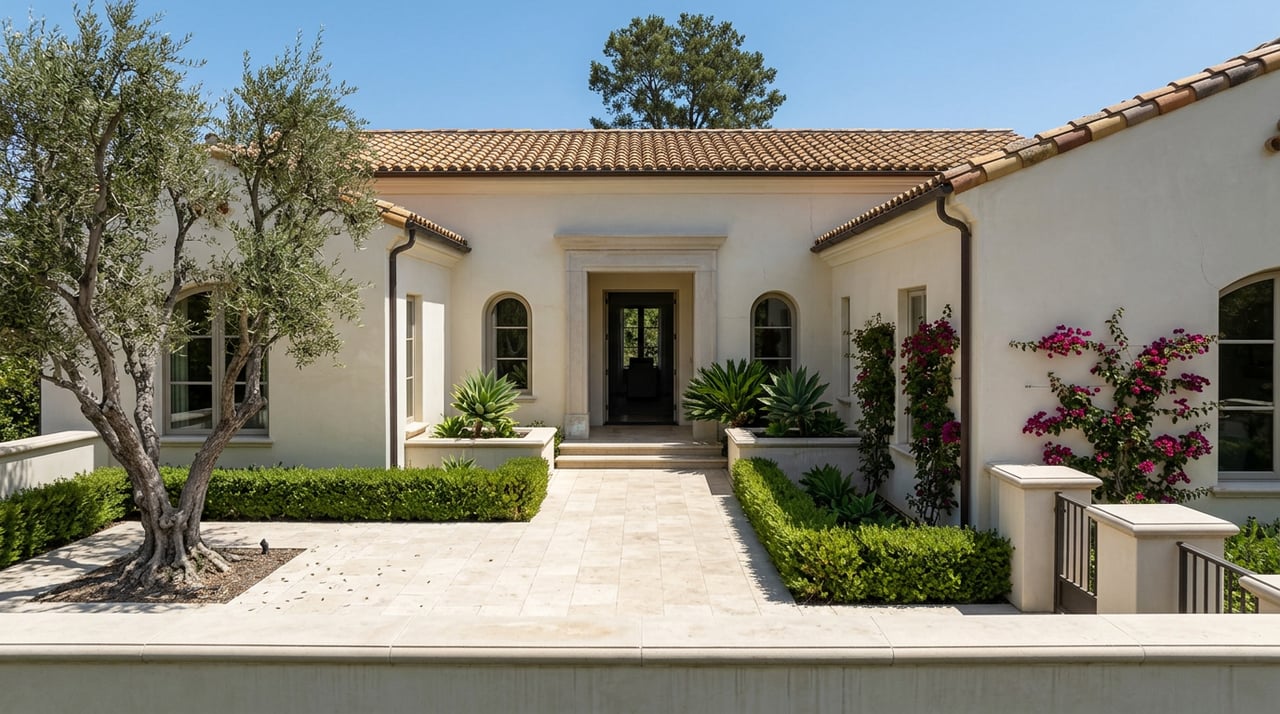
That is an important mindset shift. In Manhattan Beach, a well-designed patio, roof deck, balcony, or courtyard may add more day-to-day value than a larger lawn.
The city also notes that its residential bulk and mansionization standards were intended to increase open space and setbacks, limit lot size, and encourage retention of smaller homes. In practical terms, that means outdoor living is often more intentional and design-driven than expansive.
Public Outdoor Access Can Offset Smaller Private Space
This is where lifestyle becomes part of the value equation. Manhattan Beach offers 2.1 miles of beachfront, 40 acres of recreational beach area, and 80.88 park acres, according to the city’s facts page.
For many buyers relocating from Chicago, that public outdoor network changes how a home feels. If your private lot is smaller, but you are close to the beach, parks, and outdoor recreation, your lifestyle may still feel expansive.
A different kind of everyday living
Instead of measuring value only by backyard size, it helps to think about how you will actually spend your time. You may find that access to the beach, walkable amenities, and public outdoor space becomes part of what makes a property work for you.
That is one reason Manhattan Beach buyers often weigh lifestyle and location together more closely than they might in a broader city search.
Renovation Plans Need Early Review
If part of your Chicago-to-California move includes buying a home to update over time, make sure you check the rules early. Manhattan Beach properties near the coast may be subject to separate land-use and development standards.
The city outlines these requirements through its coastal zone standards. If you hope to expand, remodel, or create new outdoor living areas, those regulations can shape what is possible.
Ask the right questions before you buy
Before falling in love with a property based on future plans, it is smart to review zoning and coastal considerations upfront. This can help you avoid surprises and better understand how a home fits your long-term goals.
That is especially important in a market where lot constraints already influence what can be built, added, or reconfigured.
How to Search Smarter After Chicago
A move from Chicago to Manhattan Beach is not just a change in geography. It is a change in search strategy.
Here are four ways to approach the process more effectively:
- Reset your budget expectations based on Manhattan Beach pricing, not Chicago comparisons.
- Prioritize micro-location because walkability, inventory, and daily convenience can change block by block.
- Evaluate outdoor space by usefulness such as decks, terraces, patios, and layout.
- Check renovation constraints early if updates or expansion are part of your plan.
When you treat Manhattan Beach as a hyperlocal coastal market rather than a smaller version of Chicago, your search becomes clearer and more realistic.
The Right Guide Can Simplify the Transition
Relocating between two very different housing markets can feel overwhelming, especially when your assumptions about price, space, and neighborhood fit no longer apply. The good news is that the process gets much easier when you have clear expectations and local guidance grounded in how this market actually works.
If you are planning a move from Chicago to Manhattan Beach, Christina Yelnick can help you navigate the shift with a personalized, education-first approach that connects both markets and keeps your search focused on what matters most.
FAQs
How does the Manhattan Beach housing market compare with Chicago?
- Manhattan Beach is much smaller and more expensive than Chicago, with a March 2026 median home sale price of $4.25M versus $348.5K in Chicago, according to Realtor.com.
Why does micro-location matter in Manhattan Beach home searches?
- Micro-location matters because walkability, inventory, and day-to-day lifestyle can vary significantly by area, with Downtown Manhattan Beach and Eastside showing different Walk Scores and available inventory.
What kind of outdoor space should Chicago buyers expect in Manhattan Beach?
- Many buyers find that outdoor space in Manhattan Beach is more compact and design-focused, with value often coming from patios, decks, balconies, porches, and terraces rather than large lawns.
Are there renovation rules to check before buying in Manhattan Beach?
- Yes, especially for properties near the coast, where coastal-zone land-use and development regulations may affect remodeling, expansion, or outdoor living improvements.
Is Manhattan Beach a walkable place for Chicago buyers?
- It can be, but walkability depends heavily on the specific area, so it is important to evaluate each location individually rather than relying on one citywide assumption.