Craving a neighborhood where you can grab a latte, hop on the Blue Line, and wind down on a leafy side street all in the same day? If Wicker Park is on your shortlist, you’re not alone. You want a clear sense of what daily life really feels like, how much homes cost, and whether the culture fits your routine. Here’s a practical, on-the-ground guide to help you decide. Let’s dive in.
Where Wicker Park sits
Wicker Park sits in Chicago’s West Town area on the near northwest side. The informal boundaries often referenced are the Bloomingdale Trail to the north, Ashland to the east, Division to the south, and roughly Western or Elston to the west. These lines shift in casual use, but they frame the core you’ll explore day to day. You can read more about the neighborhood’s context and history on Wikipedia’s Wicker Park page.
On the ground, the feel is urban and energetic. You’ll move between quiet, tree-lined residential streets and lively stretches along Milwaukee, North, Damen, and Division. Local planning work highlights a dense, walkable environment with active small businesses, busy sidewalks, and a steady café-to-boutique flow most days and evenings. The Wicker Park & Bucktown Master Plan is a good window into the neighborhood’s character and priorities.
Housing types and what to expect
You’ll find a wide mix of homes:
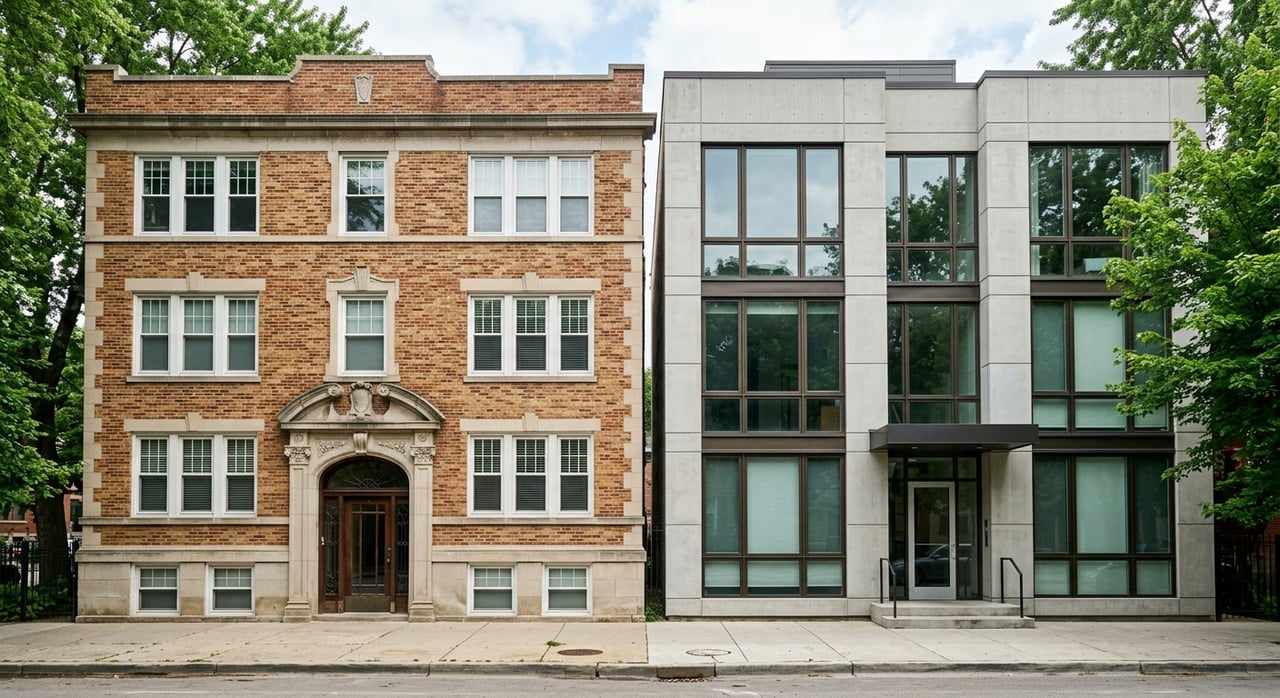
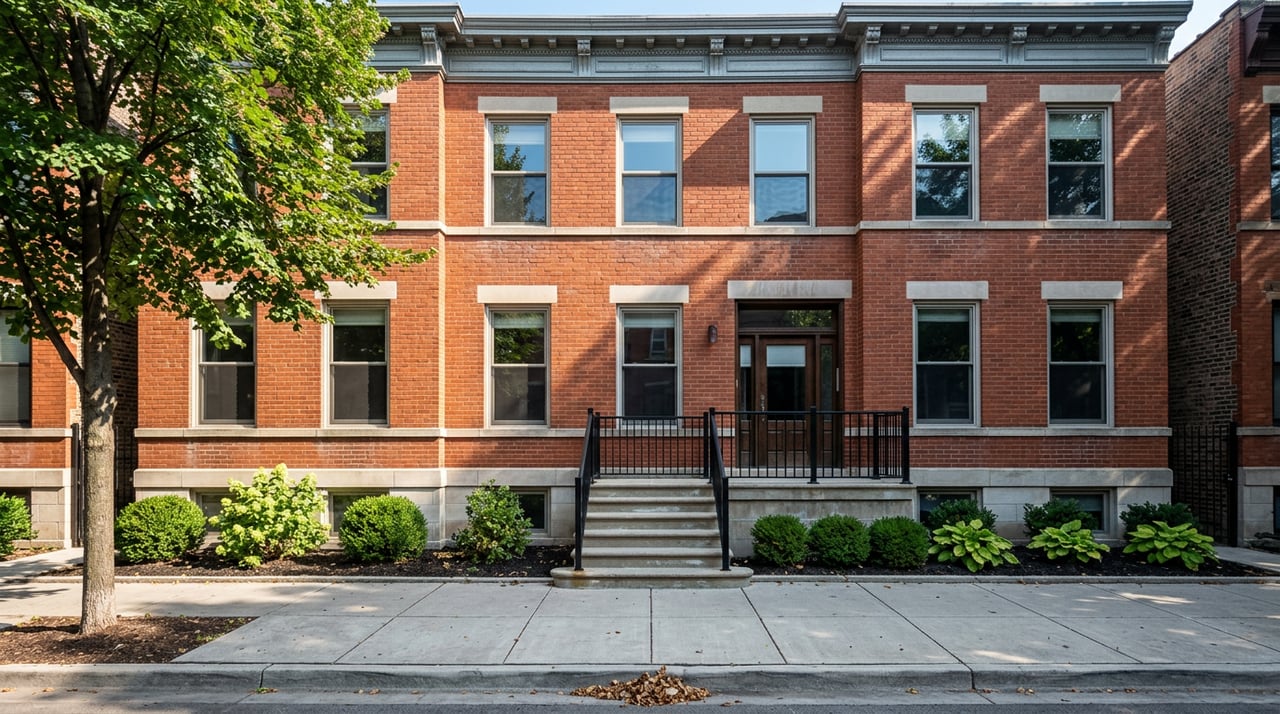
- Vintage greystones, three- and four-flats, and classic courtyard buildings
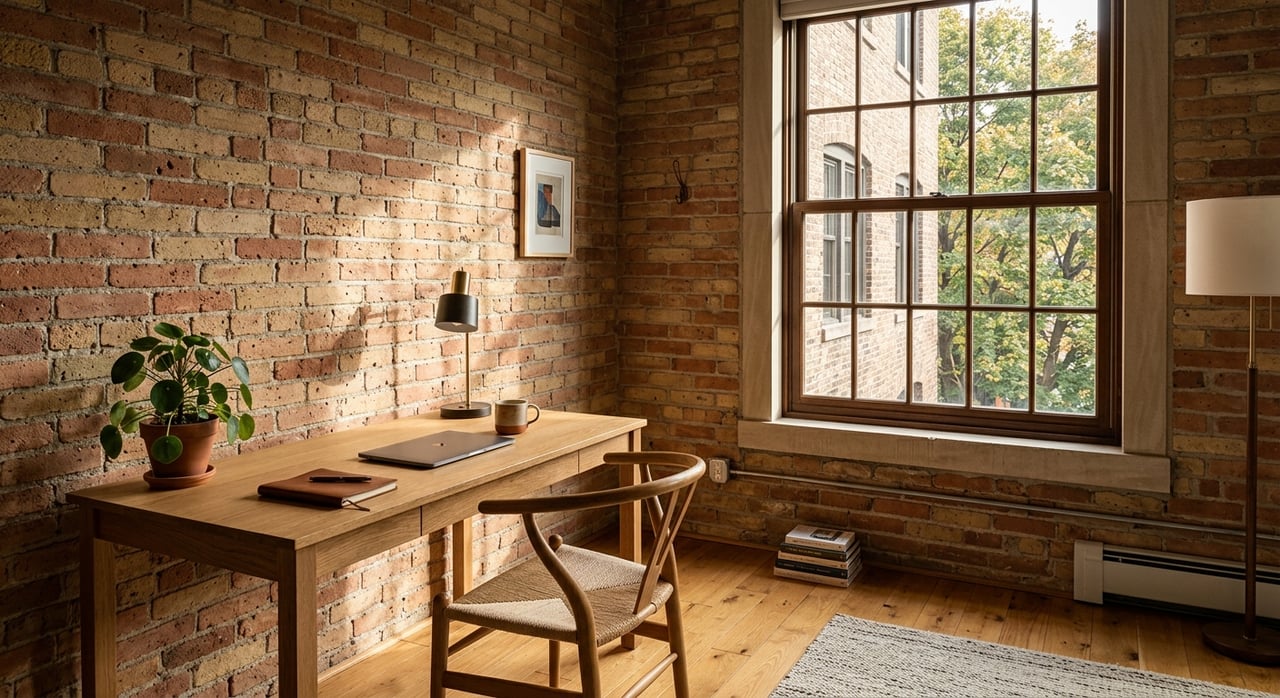
- Loft conversions in former industrial buildings
- Boutique condo conversions and newer infill townhomes
- Mixed-use buildings with retail below and residences above, especially near main corridors
Much of the historic fabric has been preserved through local guidelines, which helps maintain that signature streetscape. If you’re planning to renovate, expect some design and permitting steps that respect the area’s architectural character.
What homes cost right now
There is no single, universal price point for Wicker Park. Providers use different boundaries and methodologies, so you’ll see a range. Here are representative snapshots to frame your search:
- Redfin reported a median sale price around $799,000 in January 2026.
- Realtor.com showed a neighborhood median near $739,000 based on late 2025 data.
- Zillow’s Home Value Index placed the typical home value in the mid-600s, about $672,538 in early 2026.
For rentals, RentCafe’s February 21, 2026 summary listed an average rent near $2,907 per month. Smaller units often land in the $2,000 to $2,500 range, with premiums for updated finishes, outdoor space, and parking.
What this means for you:
- Well-priced condos and renovated lofts can draw multiple offers.
- Parking is a value-add. If it’s a must-have, focus on listings with deeded or garage spaces.
- Outdoor space, modern kitchens, and proximity to transit often command higher prices.
Getting around: trains, bikes, and The 606
Transit is a daily convenience here. The CTA Blue Line anchors neighborhood commutes to the Loop and O’Hare with 24-hour service. The most-used stations are Damen, Division, and Western. Start with the CTA Blue Line’s Damen Station page for service details and links to trip planning.
Walking and biking are part of everyday life. The elevated Bloomingdale Trail, known as The 606, lines Wicker Park’s northern edge and offers about three miles of car-free jogging, biking, and easy east-west connections into Bucktown, Logan Square, and Humboldt Park. It is both a weekend amenity and a practical weekday shortcut.
Parks and public space
Wicker Park is compact and urban, so think small, well-used greens rather than sprawling fields. The neighborhood’s namesake park at 1425 N Damen includes a fieldhouse and seasonal programming. Most residents treat the 606, pocket parks, and tree-lined sidewalks as their daily green space.
Dining and culture highlights
The main commercial heart sits at the North, Damen, and Milwaukee intersection, then extends along those corridors. Expect a steady mix of cafés, independent boutiques, vintage shops, full-service restaurants, and bars.
A few touchpoints that illustrate the vibe:
- Big Star is a long-running, patio-friendly taco spot that captures the neighborhood’s easygoing evening energy.
- Live music has deep roots here. Venues like Subterranean and other intimate rooms keep the scene active, even as lineups and spaces evolve. For a sense of scale and setting, see this look at Chicago’s intimate music venues.
- The neighborhood shifts over time. As an example, the iconic cocktail bar The Violet Hour closed in June 2025, a reminder that even longtime anchors change while the area keeps a strong dining and nightlife base. Block Club Chicago covered the Violet Hour closure.
Summer brings one of the city’s notable street festivals: Wicker Park Fest. Stages, food tents, and local retailers turn Milwaukee Avenue into a weekend destination and a snapshot of the neighborhood’s creative streak.
Who Wicker Park fits
Wicker Park works for many lifestyles. You might see yourself in one of these everyday profiles:
- Young professionals who want a short Blue Line ride to the Loop, a gym or café close by, and a lively dining scene within a few blocks.
- Creatives and remote workers who value loft-style spaces and proximity to galleries, music rooms, and flexible studios.
- Households that prefer quieter side streets, with small parks and the 606 nearby for easy outdoor time.
- Investors who see strong rental demand for well-located condos and multi-unit buildings priced right.
The key tradeoff is energy versus quiet. If you love late-night activity and convenience, consider places near Milwaukee, North, or Division. If you want more calm, look one or two blocks off the main corridors or closer to the residential pockets by the 606.
Smart search tips
Use these pointers to focus your time and budget:
- Prioritize your must-haves. If parking or a private deck is essential, filter for it early. These features drive price and competition.
- Factor in HOA and maintenance. In vintage and loft buildings, association health and reserves matter for long-term costs.
- Consider sound and foot traffic. Homes steps from Milwaukee or near late-night venues can feel busier, especially on weekends. Side-street listings can trade a few minutes of walking for quieter evenings.
- Look closely at renovation quality. Updated vintage units can vary widely in finishes and mechanicals. Ask for permits, contractor info, and dates of major work.
- Use the 606 as a lifestyle marker. Living near an access ramp adds daily value for fitness, dog walks, and quick bike trips.
- Expect competition on standouts. Move quickly on well-priced condos and lofts with outdoor space or garage parking.
How I help you move with clarity
Whether you are renting, buying your first condo, moving up to a townhome, or selling into this market, you deserve clear guidance, data that makes sense, and a steady partner from first tour to closing. I blend local insight with structured, commercial-grade process so you can focus on the big picture while I manage the details.
If Wicker Park is on your radar, I can help you:
- Compare buildings and floor plans that match your budget and routine
- Align pricing with current comps and on-the-ground demand
- Navigate vintage versus new construction tradeoffs
- Coordinate virtual tours, private showings, and quick offer timelines
- Map daily rhythms around transit, the 606, and key corridors
Ready to get a personalized Wicker Park game plan and see what’s available this month? Reach out to Christina Yelnick. Let’s connect.
FAQs
How is Wicker Park defined and what are the basics?
- Wicker Park is commonly framed by the 606 to the north, Ashland to the east, Division to the south, and roughly Western/Elston to the west; it is a dense, walkable area in West Town with active commercial corridors and quieter side streets. See the Master Plan and Wikipedia for context.
What are current home prices and rents in Wicker Park?
- Recent snapshots vary by source: a median around $799,000 (Redfin, Jan 2026), about $739,000 (Realtor.com, late 2025), and a typical value near $672,538 (Zillow ZHVI, early 2026). Average rent was around $2,907 per month per RentCafe’s Feb 21, 2026 update, with smaller units often in the $2,000 to $2,500 range.
How do Wicker Park commutes work, especially to the Loop?
- The Blue Line is the main artery, with frequent, 24-hour service and stations at Damen, Division, and Western. For specific travel times and any alerts, start at the CTA Damen Station page.
What is The 606 and why do locals love it?
- The Bloomingdale Trail, or The 606, is an elevated, multi-use path that runs about three miles, connecting Wicker Park/Bucktown to Logan Square and Humboldt Park. It is great for running, biking, and quick neighborhood connections.
What are signature Wicker Park events and venues?
- Summer’s Wicker Park Fest fills Milwaukee Avenue with music, food, and local retailers. Neighborhood staples include spots like Big Star, while live-music rooms such as Subterranean and others reflect an evolving but active scene, with changes like the 2025 Violet Hour closure noted by Block Club Chicago.