Selling a condo in Lincoln Park can feel simple on the surface, but the details matter more than most sellers expect. You are not just competing on neighborhood name. Buyers compare your unit’s condition, building, parking, HOA details, and pricing against other options very closely. If you prepare the right way before you list, you can make your condo easier to show, easier to understand, and easier to price with confidence. Let’s dive in.
Understand the Lincoln Park condo market
Lincoln Park continues to lean in sellers’ favor, but headline price numbers do not tell the whole story. According to Redfin’s Lincoln Park housing market data, the median sale price in February 2026 was $753,500, with homes taking an average of 56 days to sell. That same source notes Lincoln Park remains competitive, but condo values can vary widely depending on the building and unit type.
Other market trackers show different figures. The research also notes Realtor.com reported an $880,000 median sale price and Zillow showed a typical home value of $631,964. Because those platforms use different boundaries and methods, the most useful pricing tool for your condo is a building-level comparative market analysis, not a neighborhood-wide median by itself.
Time your sale around readiness
Many sellers spend too much time trying to guess the perfect listing week. In practice, your condo’s readiness usually matters more than chasing an exact calendar date. If your unit is clean, well-presented, and priced with discipline, you are in a stronger position than a seller who waits for a theoretical peak.
The broader Chicago condo cycle supports that approach. The Illinois REALTORS January 2026 forecast says condo and townhome prices in Chicago fell nearly 4% from December 2024 to December 2025, while inventory dropped 29.2% year over year. The same report projects sales activity rebounding from January into March 2026, with projected prices rising 5.7% from December to March.
Mortgage rates also ended 2025 just above 6%, which means buyers are still watching affordability closely. That puts more pressure on accurate pricing and strong presentation. For many Lincoln Park condo sellers, late winter and spring can be a solid window if the home is truly ready to hit the market.
Focus on presentation first
Before you spend money, focus on what buyers will notice right away in photos and during showings. Strong presentation often creates more value than expensive renovation plans. This is especially true in condos, where buyers tend to compare layout, light, finishes, and upkeep very quickly.
The National Association of Realtors 2025 staging report found that 29% of agents said staging increased the dollar value offered by 1% to 10%, and 49% said it reduced time on market. Buyers’ agents also said staging makes it easier for buyers to picture the property as their future home.
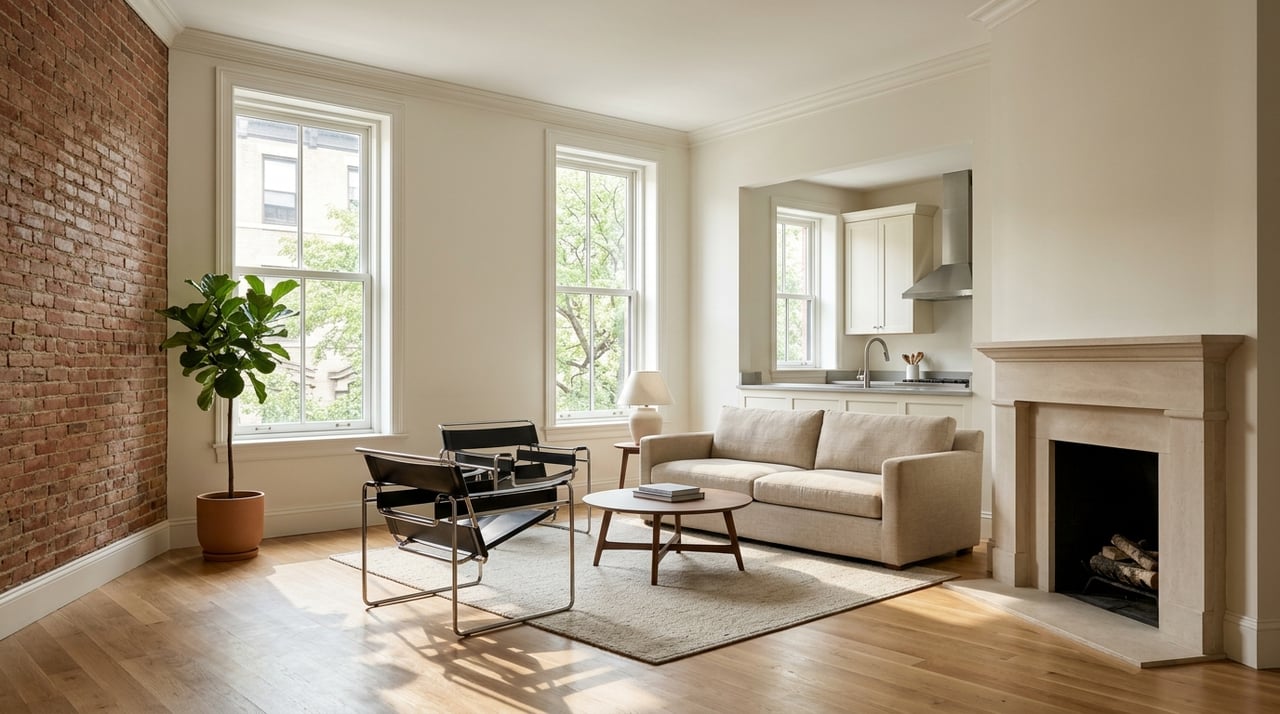
For a Lincoln Park condo, that usually means making the space feel brighter, cleaner, and more open. Smaller units especially benefit when the main living spaces feel calm and functional instead of crowded. Buyers often decide how they feel about a condo within moments of seeing the living room, kitchen, and primary bedroom.
Prioritize these rooms before listing
The same NAR research found that the most important rooms to stage are the living room, primary bedroom, and kitchen. Those are often the value-driving spaces in a Lincoln Park condo too. If you are deciding where to invest time and effort, start there.
Here is a practical pre-listing checklist:
- Declutter counters, shelves, and entry areas
- Reduce extra furniture that makes rooms feel tight
- Clean windows and mirrors to improve light
- Open blinds and let in as much daylight as possible
- Make the primary bedroom look simple and orderly
- Deep clean the kitchen, especially visible surfaces
- Refresh bathrooms so grout, glass, and fixtures feel clean
- Make sure the main living area photographs well
According to the full 2025 Profile of Home Staging, buyers respond well to clean counters, bright spaces, and well-organized bedrooms. That guidance fits condo selling well because buyers are often measuring how efficiently the space lives.
Make smart updates, not major ones
If your condo needs work, it is tempting to think bigger is better. Usually, it is not. The strongest resale pattern supports small, visible improvements over large remodels.
The Zonda 2025 Cost vs. Value Report shows a minor kitchen remodel recouping 112.9% nationally. That lines up with a cosmetic-first strategy for condo sellers. The goal is to remove dated first impressions, not take on a full renovation that may not match buyer preferences or timeline.
The best places to spend are often the easiest to see:
- Repaint tired or overly personalized walls
- Replace dated light fixtures or obvious hardware
- Improve lighting in darker rooms
- Clean or refresh grout and shower glass
- Tidy up kitchen and bath finishes
- Fix small maintenance issues before buyers notice them
These updates can make your condo feel better cared for without over-improving for the building or price point. In many cases, a fresh and polished condo outperforms a unit that has good bones but looks neglected.
Prepare HOA documents early
Condo sales involve another layer of preparation that single-family sellers do not always face. Buyers and lenders often ask detailed questions about the homeowners association, and delays here can slow a transaction quickly. The smoother your documentation, the easier it is for buyers to move forward with confidence.
According to Fannie Mae’s condo buying guidance, common questions include HOA fees, special assessments, reserve funds, allowed modifications, parking, master insurance coverage, and whether the project is warrantable. These factors can affect both financing and value.
Before your condo goes live, gather:
- Current HOA fee information
- Fee history, if available
- Any known special assessments
- Reserve fund or budget information you can provide
- Parking assignment details
- Building rules that commonly matter to buyers
- Master insurance details, when available
Having this information ready helps reduce uncertainty. It also supports a cleaner listing launch, stronger buyer conversations, and a more organized contract process.
Price from building-level comps
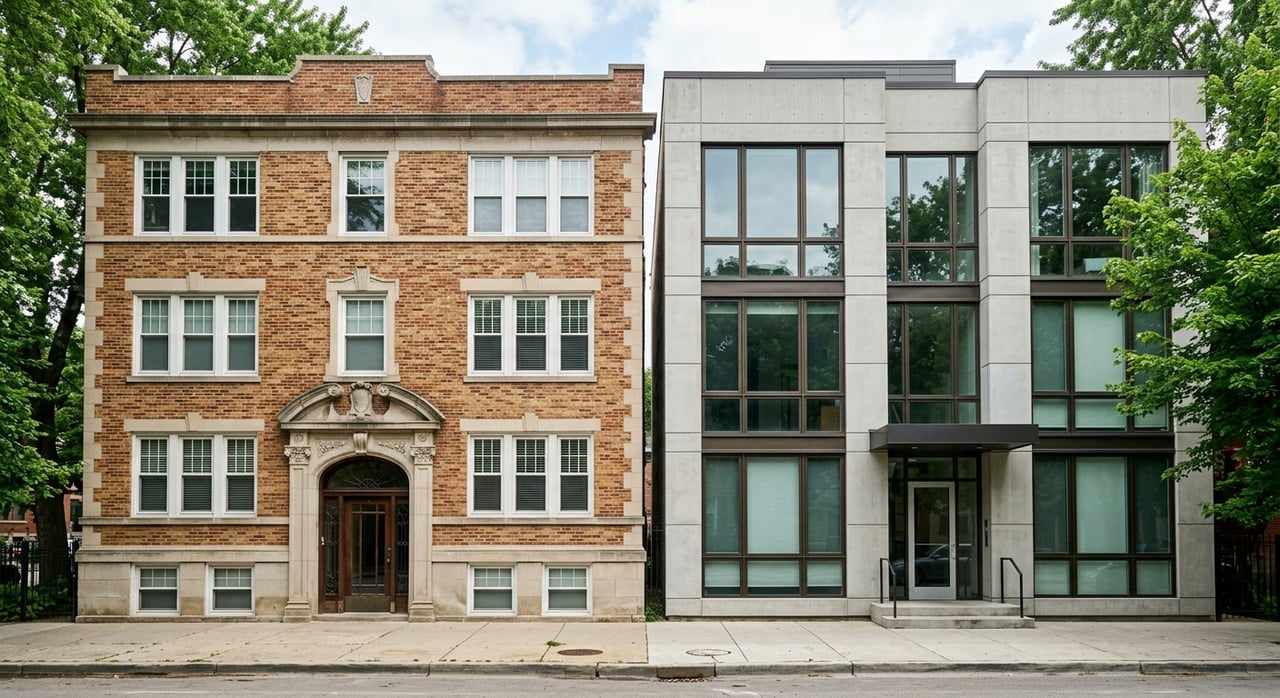
This is where many condo sellers go wrong. They see one neighborhood headline number and assume it applies directly to their unit. In Lincoln Park, pricing can shift significantly based on building type, floor level, finish quality, amenities, parking, views, and HOA dues.
The recent sold data in your research makes that clear. A 1-bedroom garden unit at 2405 N Orchard St Unit G sold on March 5, 2026 for $310,000, or about $282 per square foot, with an updated kitchen, in-unit laundry, and parking. A 1-bedroom at 2144 N Lincoln Park W Unit 10C sold for $315,000, or about $350 per square foot, with lake and park views plus garage parking.
A 1-bedroom at 2020 N Lincoln Park W Unit 6E sold for $342,400, or about $449 per square foot, and included garage parking and full-amenity building features, with HOA dues of $713 per month. Meanwhile, a 2-bedroom at 2226 N Lincoln Ave Unit 3A sold for $665,000, or about $475 per square foot, with a garage and lower HOA dues of $368 per month.
Those sales show why condo pricing is so specific. A compact 1-bedroom may land in the low $300,000s, while a larger, better-finished 2-bedroom with garage parking can reach the mid-$600,000s. Your best pricing strategy should come from nearby sold units that match your building style, finish level, layout, and monthly carrying costs as closely as possible.
Build a launch plan that matches buyer behavior
Once you know your likely price range, your next job is to make the condo easy for buyers to say yes to. That means combining staging, photography, document readiness, and disciplined pricing into one coordinated launch. In Lincoln Park, buyers often compare several condos in a short time, so a polished first impression matters.
A strong launch plan should include:
- A pricing strategy based on recent sold comps
- Room-by-room prep before photography
- Clean, bright marketing visuals
- HOA and parking details ready upfront
- A clear showing plan that keeps the unit easy to access
This is where process matters. A thoughtful pre-listing plan can help you avoid the common cycle of listing too high, sitting on the market, and then chasing the market down with price cuts.
Why condo prep matters in Lincoln Park
Lincoln Park remains a desirable place to buy, but buyers still have standards. They are paying attention to monthly costs, condition, and how a condo compares to similar options nearby. In a market with affordability pressure and careful decision-making, sellers who prepare well often stand out faster.
If you are thinking about selling, the smartest first step is not guessing your price from a neighborhood headline. It is building a plan around your exact condo, your building, and the buyers most likely to respond to it. If you want a custom pricing opinion and a clear strategy for staging, prep, and timing, Christina Yelnick can help you take the next step with confidence.
FAQs
What should you do first when preparing to sell a condo in Lincoln Park?
- Start with a building-level pricing opinion and a walkthrough of what to declutter, clean, and refresh before photography.
How important is staging for a Lincoln Park condo sale?
- Very important. NAR reports that staging can help increase offers and reduce time on market, especially in the living room, primary bedroom, and kitchen.
Should you renovate before listing a Lincoln Park condo?
- Usually, small cosmetic updates are the better move. Visible improvements like paint, lighting, and cleaning often make more sense than a major remodel.
What HOA information should sellers gather before listing a Lincoln Park condo?
- Be ready with HOA fees, special assessment information, reserve or budget details, parking information, and master insurance details if available.
How should you price a condo in Lincoln Park, Chicago?
- Use recent comparable sales from similar units and buildings, since pricing can vary a lot based on parking, finishes, amenities, views, and HOA dues.