Thinking about a home steps from the sand where neighbors stroll by and the beach is your daily backdrop? Hermosa Beach walk streets offer that lifestyle, along with a few trade-offs you should understand. If you want a beach-forward routine, a social front patio, and easy access to the Strand, this guide is for you. You will learn what walk streets are, how they shape daily living, and how to evaluate a property with confidence. Let’s dive in.
What are Hermosa Beach walk streets?
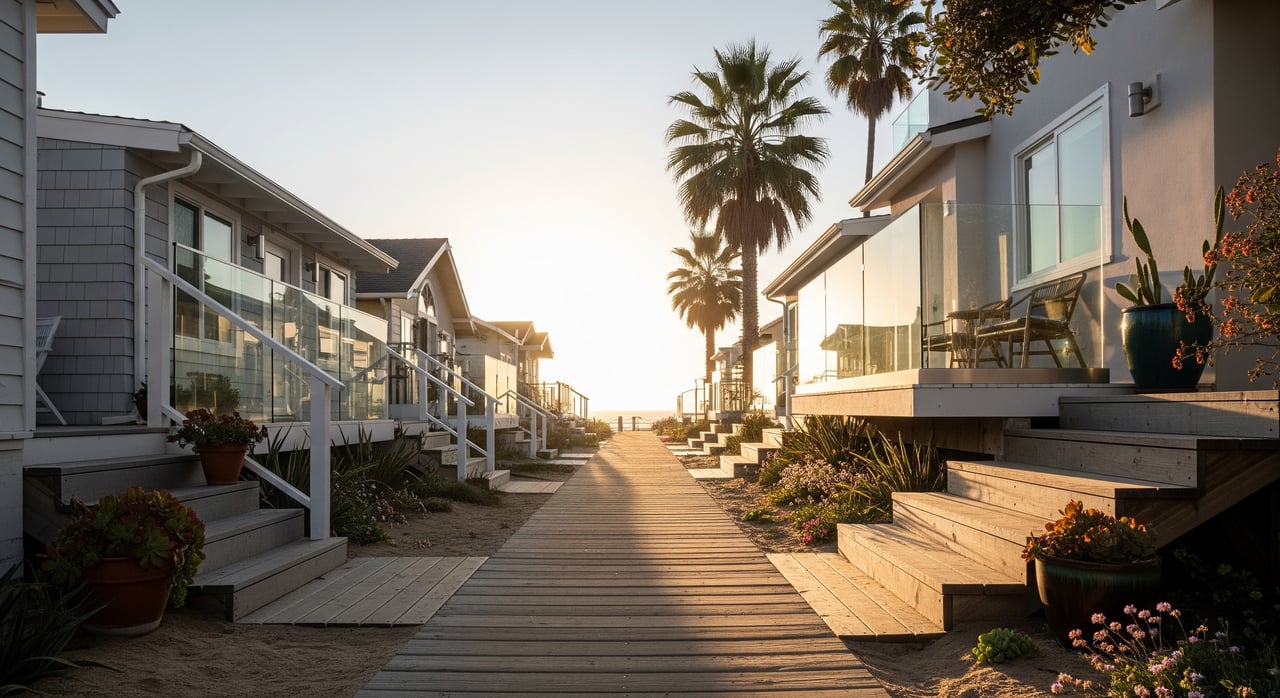
Walk streets are narrow public corridors designed for people, not cars. In Hermosa Beach, these paths connect residential blocks to the Strand and the beach. Homes open directly onto the walkway, often with stoops, porches, or small front yards that feel like part of the pedestrian scene.
Most walks are 8 to 12 feet wide with paving, steps or gentle ramps, and low walls or plantings along property lines. Street parking is not located on the walk itself, and nearby curb spaces can be limited or regulated. The City of Hermosa Beach oversees the public right-of-way for the walk surface and safety, while many adjacent owners handle plantings or low walls next to their property, subject to city rules.
Walk streets are part of the Beach Cities culture. They were created to make beach access easy on foot and to encourage a neighborly, outdoor lifestyle that many buyers value.
How walk streets shape daily life
Privacy and sightlines
Homes face an active public path used by walkers, joggers, and beachgoers. Compared with interior streets, front setbacks are smaller and visibility is higher. Common privacy strategies include low fencing where allowed, hedges, frosted or strategic window treatments, and raised porches. If privacy matters to you, visit at different times, like weekday mornings and summer weekends, to gauge foot traffic.
Parking and vehicle access
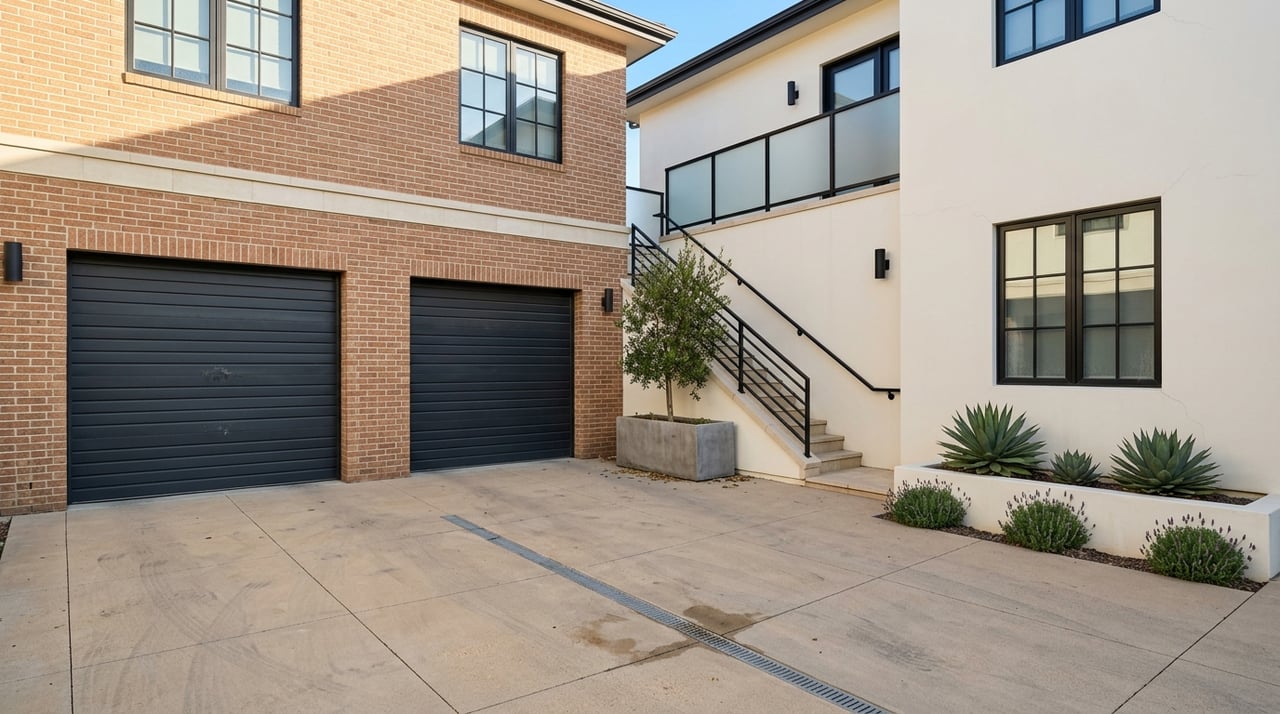
Walk streets are not built for parking. Nearby curb spaces may be metered, permit based, or time limited, and demand rises near the Strand, especially on weekends and in summer. Many homes load garages from a cross street, and configurations can be unique, such as tandem spaces or alley-style access. Always verify off-street capacity and the local rules for street parking and permits.
Deliveries and emergency services
Pedestrian access is excellent, but large deliveries or contractor access may need curbside loading from a cross street. Most couriers adapt to this, yet you should plan for move-in and renovation logistics. Cities set standards for emergency access and egress on public walks. If this is a priority for you, confirm that city policies and records support compliant access for your segment.
Outdoor space and home orientation
Your front area becomes an extension of daily life. Think coffee on the stoop, chats with neighbors, and a more social vibe than a private front yard. Rear yards are often smaller near the beach, so many homes lean into balconies, roof decks, and indoor-outdoor rooms. Landscaping tends to favor salt-tolerant plants, and the ocean microclimate means cooler temps, salt air, and wind to plan for.
Community feel and neighborhood identity
Walk streets create frequent, casual interactions. You will see dog walkers, kids playing within sight lines, and neighbors catching up at the front patio. Pedestrian activity can add natural surveillance that many residents appreciate. During peak seasons you may also notice later evening foot traffic and visitors moving between the beach and nearby retail. Some segments host community moments, like holiday strolls, that build neighborhood identity.
How walk streets influence property choices and value
Value drivers
- Walkability and instant beach access are strong lifestyle features that many buyers prize.
- Walk-street homes are scarce and distinctive, which can create a niche market and support pricing.
- Proximity to the Strand often appeals to second-home and rental buyers, subject to local short-term rental rules.
Common trade-offs
- Limited parking can be a drawback if you prioritize frequent guest parking or car-first routines.
- Privacy and noise expectations differ when your front door opens to a public path with seasonal visitor flow.
- Market appeal skews toward lifestyle buyers who want walkability, which can affect how you position the home for resale.
What to remember when comparing values
Research across markets shows a positive relationship between walkability and home values, but the size of any premium varies by proximity to amenities and local regulations. In Hermosa Beach, recent comparable sales from the local MLS are the best way to understand how a specific walk-street home stacks up against nearby non-walk-street options with similar size and features.
Due diligence checklists
For buyers
- Visit at multiple times and days to understand foot traffic, noise, and evening activity.
- Count usable off-street spaces and review local street parking rules, permits, and enforcement.
- Confirm who maintains adjacent landscaping and any low walls next to the walkway.
- Ask about delivery logistics, contractor access, and move-in experience.
- Review recorded easements, encroachments, and any city plans that could alter the walk segment.
- Price privacy upgrades, such as window treatments or fencing, and confirm permit needs.
- Review insurance considerations related to salt air, corrosion, and flood maps if close to the Strand.
- If investing, verify short-term rental regulations and any HOA or city enforcement history.
For sellers
- Highlight walkability, Strand access, and outdoor living, and disclose limits such as parking and seasonal foot traffic.
- Stage the front area as a usable living space, with seating and soft lighting.
- Share documentation for recent city work, permits, or maintenance agreements tied to the walk.
- Price with comps that reflect walk-street attributes to set realistic expectations.
Who a walk-street home fits
A walk-street property suits you if your daily routine centers on the beach and local shops, and you like seeing neighbors as part of your day. You might trade a bit of privacy and car convenience for a richer pedestrian lifestyle. Buyers who prefer large private yards, multiple guest parking options, and quiet streets may favor nearby alternatives on interior blocks.
Choosing between a walk street and nearby options
Start with your daily patterns. If you want morning surf checks, quick pier runs, and a social front patio, a walk street aligns well. If you need frequent contractor visits, host large gatherings by car, or want a secluded front yard, consider a home one or two blocks inland with more driveway access. Either path can work. The goal is to match your lifestyle to the street type that supports it.
Ready to explore Hermosa Beach?
If you are weighing a walk-street home against other coastal options, a focused, side-by-side comparison will help you decide with confidence. I can help you evaluate parking configuration, foot traffic patterns, and outdoor living potential so you land on the right fit for your lifestyle. Let’s connect through the site to start a tailored search with current comps and on-the-ground insight.
Reach out to Christina Yelnick to begin.
FAQs
Are cars allowed on Hermosa Beach walk streets?
- Walk streets focus on pedestrian use, and vehicular access is generally limited, with any loading or restrictions set by the City for each segment.
How is maintenance handled for walk streets and plantings?
- The City typically maintains the public walk surface, while adjacent owners often handle landscaping next to their property, subject to city rules and permits.
Do walk-street lots follow different zoning rules?
- Lots near the Strand are often narrower with denser configurations, and all development follows city zoning and coastal regulations.
Will a walk-street location hurt resale value?
- It can strengthen appeal for lifestyle buyers who want walkability, while buyers who prefer privacy and parking may look inland, so positioning and pricing matter.
Do walk-street homes need coastal permits for exterior changes?
- Properties near the Strand are in the Coastal Zone, and exterior changes that affect the public right-of-way or coastal resources may need a Coastal Development Permit from the City or the Coastal Commission.