If you love coastal living but want more space and a private garage, a Redondo Beach townhome can be a smart fit. You get the beach lifestyle with less exterior maintenance than a detached home and more room than many condos. In this guide, you’ll learn where townhomes sit on the local price ladder, how HOA rules and insurance work, what to check for coastal properties, and the exact documents to review before you write an offer. Let’s dive in.
Why townhomes make sense here
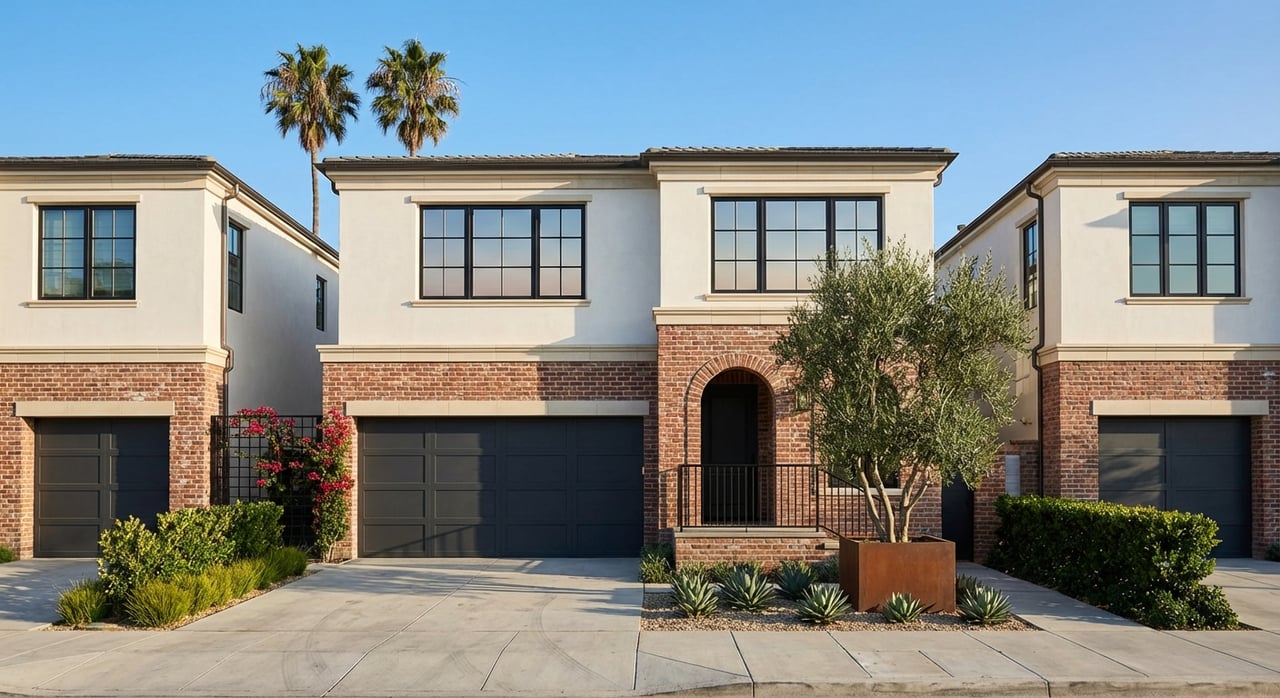
Townhomes typically offer multi-level living, attached parking, and a lock-and-leave feel. In Redondo Beach, they often land between condos and detached homes on price and maintenance. You get more square footage and storage than many condos, usually with lower exterior upkeep than a single-family home. For many buyers, that balance hits the sweet spot.
Current prices at a glance
As of early 2026, the citywide median sale price across all property types sits around $1.625 million. Townhomes tend to cluster in the middle to upper segment, with many closing around the mid $1.6 to $1.7 million range. Listing prices for newer or larger homes near the beach can reach $2 million or more, while older inland units can be lower.
Prices change quickly and vary by block, age, and condition. If proximity to the Esplanade or Riviera Village is high on your list, expect to pay a premium for ocean views, walkability, and newer finishes. A current MLS snapshot for your exact search will sharpen these numbers.
North vs. South Redondo: finding your fit
South Redondo areas near the Avenues, Riviera Village, the Pier, and the Esplanade often command higher prices because of beach access and dining within a short stroll. North Redondo and inland pockets usually offer more townhome inventory and, depending on location, more convenient car access and modestly lower prices.
- If you prioritize walkability to sand and surf, focus on west-of-PCH blocks and be ready for competitive pricing.
- If you want newer construction and value, widen your search to inland streets with easy freeway or retail access.
HOA dues: what they cover and why it matters
HOA fees in Redondo Beach vary widely by community and amenities. You will see monthly dues as low as about $150 in small, no-frills complexes and $500+ in amenity-rich or higher-maintenance buildings. Always confirm the exact amount and inclusions for the home you are considering.
Typical inclusions to confirm
- Exterior and roof maintenance
- Landscaping and common utilities (water, trash in some communities)
- Building insurance via the master policy
- Amenities such as pools, spas, or security
Higher monthly dues affect your loan approval and long-term budget, since lenders count HOA dues in your debt-to-income ratio.
Insurance and reserves you should review
- Ask for the HOA’s Certificate of Insurance and master policy summary. Determine whether coverage is “walls-out,” “walls-in,” or “all-in,” and note deductibles. An owner HO-6 policy is still needed to cover your interior, personal property, and loss-assessment exposure. You can learn the basics of master policies and HO-6 coverage from this overview on condo and HOA insurance types.
- In California, associations prepare reserve studies and disclose a “percent funded” figure. A low percent funded number can signal potential special assessments. Review the latest reserve study and disclosures; this reserve study guidance explains why percent funded matters.
Ownership and financing: townhome vs. condo vs. PUD
“Townhome” describes a building style, not the legal ownership. In California, a townhome can be part of a condominium association or a fee-simple lot within a planned unit development (PUD). The legal form determines what you own and which financing rules apply. You can read a plain-language background on California’s HOA law in the Davis–Stirling Act overview.
Why this matters for loans
If the property is a condominium, many lenders must approve the project under agency rules. If a condo project is not considered “warrantable,” certain loan types may not be available. Fee-simple townhomes in a PUD can be simpler to finance because you own a parcel of land with the unit. Share your target address with your lender early so they can confirm project eligibility. For a quick primer on how agencies evaluate condo projects, see this summary of Fannie Mae condo project standards.
Parking realities and permits
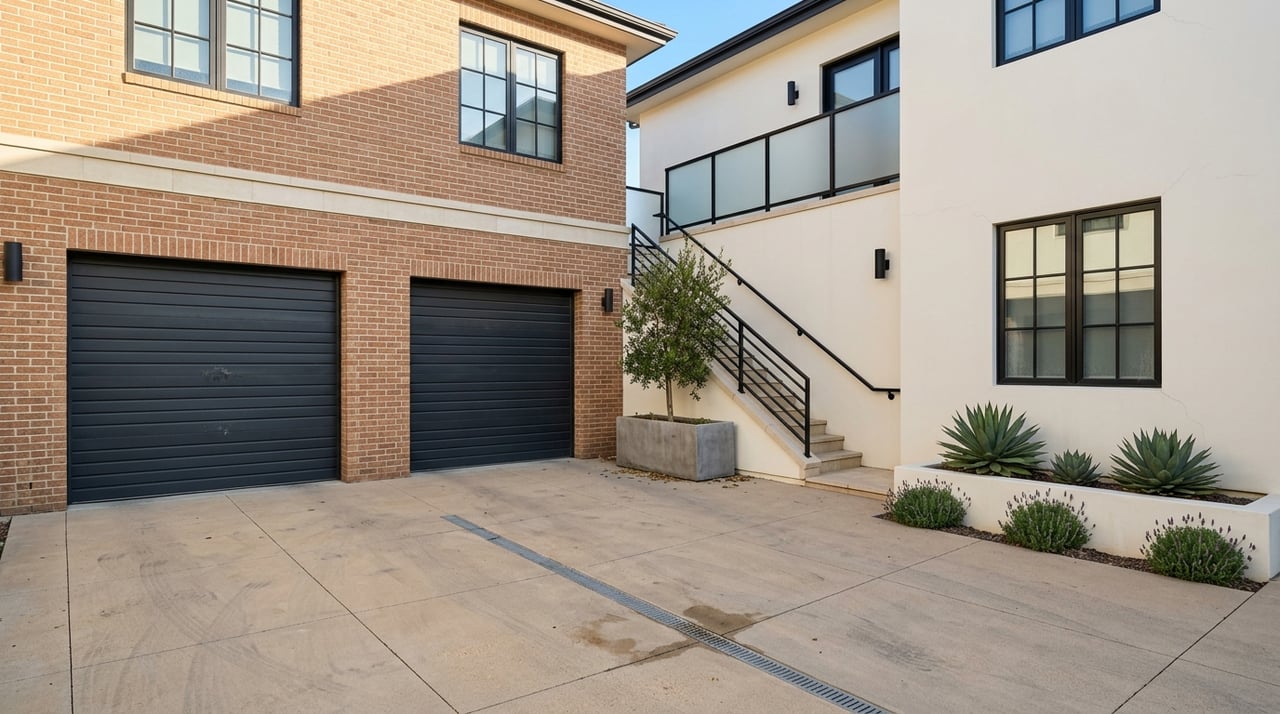
Most Redondo townhomes include an attached garage, often with two spaces that can be side-by-side or tandem. Confirm deeded spaces, tandem dimensions, storage rights, and guest parking rules during your review. If your visitors will rely on street parking, check whether the block participates in a City permit zone. The City’s program for Preferential Parking Zones and seasonal permits is detailed in recent council discussions about residential parking permits.
Coastal checks: flood, erosion, and local policy
Ocean-close living brings unique considerations:
- Review FEMA flood maps for the property’s flood zone and discuss insurance requirements with your lender and HO-6 carrier. Start with the FEMA Flood Map Service Center.
- Salt air accelerates wear on metal fixtures, balcony hardware, exterior cladding, and mechanicals. Ask about maintenance history for roofs, decks, waterproofing, and windows.
- The City continues to refine its Local Coastal Program and sea-level-rise planning, especially around King Harbor and the Pier. Stay informed by checking City updates on Local Coastal Program and sea-level work.
Rental rules: know the limits
If you plan to rent your home in the future, review both the HOA’s rules and City regulations. Redondo Beach enforces a citywide prohibition on short-term rentals under 30 days. You can see related actions in the City’s records on short-term rental enforcement.
Before you write an offer: the Redondo townhome checklist
Request these items as early as possible and build time into your contingencies to review them carefully.
Association documents and finances
- HOA resale or estoppel package: CC&Rs, bylaws, rules, current operating budget, most recent reserve study, master insurance summary and Certificate of Insurance, and any notices of planned or pending special assessments. Learn what the resale packet should include from this overview of California HOA resale disclosures.
- HOA meeting minutes for the last 12 months and year-to-date financials. Look for discussions of deferred maintenance, loans against reserves, and delinquency rates. This reserve study primer explains why those clues matter.
Property-level checks
- Water intrusion history, especially for balconies, rooftop decks, and window systems
- Exterior cladding, metal corrosion, and the age/condition of roof and waterproofing
- Garage access, tandem space usability, and storage rights
- Mechanical systems: HVAC and water heater age and service history
- Foundation and termite/dry-rot repairs
- Any rooftop decks or third-level balconies, with engineering or warranty documentation
Insurance and risk
- Master policy coverage type and deductible. Confirm whether a high deductible could trigger a loss assessment to owners. Plan your HO-6 policy accordingly using this guide to condo and HOA insurance.
- Natural Hazard Disclosure (NHD) and FEMA flood map review for coastal or flood-related flags.
Legal and use questions for the HOA or manager
- Any pending or planned special assessments, with expected timing and owner share
- Rental rules, owner-occupancy ratios, and any rental caps or minimum lease lengths
- Open code enforcement or violation notices for the project or specific unit
- Recorded judgments or liens against the association
Smart contingencies to include
- Financing contingency tied to project eligibility. Ask your lender to confirm whether the development is a condominium or a PUD and whether the project meets agency guidelines for your loan program. The basics of agency reviews are outlined in this summary of condo project standards.
- HOA document review contingency that allows enough time for the association to deliver the resale packet and for you and your lender to review it. California statutes set timelines for HOA resale documents; this overview of resale delivery and contents is a helpful reference.
- Inspection contingency that allows for general, roof, and if needed, specialized coastal inspections for decks and waterproofing.
- Insurance availability contingency to confirm you can obtain an HO-6 policy and any lender-required coverages at acceptable cost.
Your next steps
- Clarify your must-haves: location, size, parking, outdoor space, and budget inclusive of HOA dues and insurance.
- Get pre-approved and ask your lender to pre-screen the building type and project eligibility.
- Preview a range of neighborhoods to feel the price gradient between beach-close and inland streets.
- When a townhome stands out, request the HOA packet up front and schedule thorough inspections.
Buying here should feel confident and well paced. With the right plan, you can enjoy the best of Redondo Beach living while managing risk, costs, and timelines.
If you want a calm, well-run process from search to closing, reach out to Christina Yelnick. You’ll get responsive guidance, clear steps, and a local network to help you move with confidence.
FAQs
How much do Redondo Beach townhomes cost today?
- Citywide, median sale prices are around the mid $1.6 million range for townhomes, with ocean-close or newer homes often reaching $2 million or more. Prices change quickly, so ask for an up-to-date MLS snapshot for your specific criteria.
What HOA dues should I expect for a townhome?
- Many communities fall between about $150 and $500+ per month depending on amenities and insurance. Confirm exactly what dues include and how they impact your loan approval and monthly budget.
Are Redondo Beach short-term rentals allowed in townhomes?
- The City enforces a ban on rentals under 30 days, and your HOA may add more restrictions. Review City records on short-term rental enforcement and the HOA’s rules before you buy.
Do lenders treat townhomes like condos?
- It depends on the legal structure. Some townhomes are legally condominiums and require project approval under agency rules, while fee-simple PUD townhomes can be easier to finance. Confirm the project type with your lender early.
What coastal risks should I check before buying near the water?
- Review FEMA flood maps, study the HOA’s maintenance history for decks and waterproofing, and ask about salt-air impacts on metal and mechanical systems. Also keep an eye on City updates to the Local Coastal Program.
Which documents should I review before I submit an offer?
- Ask for the HOA resale packet, reserve study, insurance summary and COI, 12 months of meeting minutes, current financials, parking and storage details, plus all seller disclosures and recent inspections. Build time into your contingencies to evaluate everything carefully.