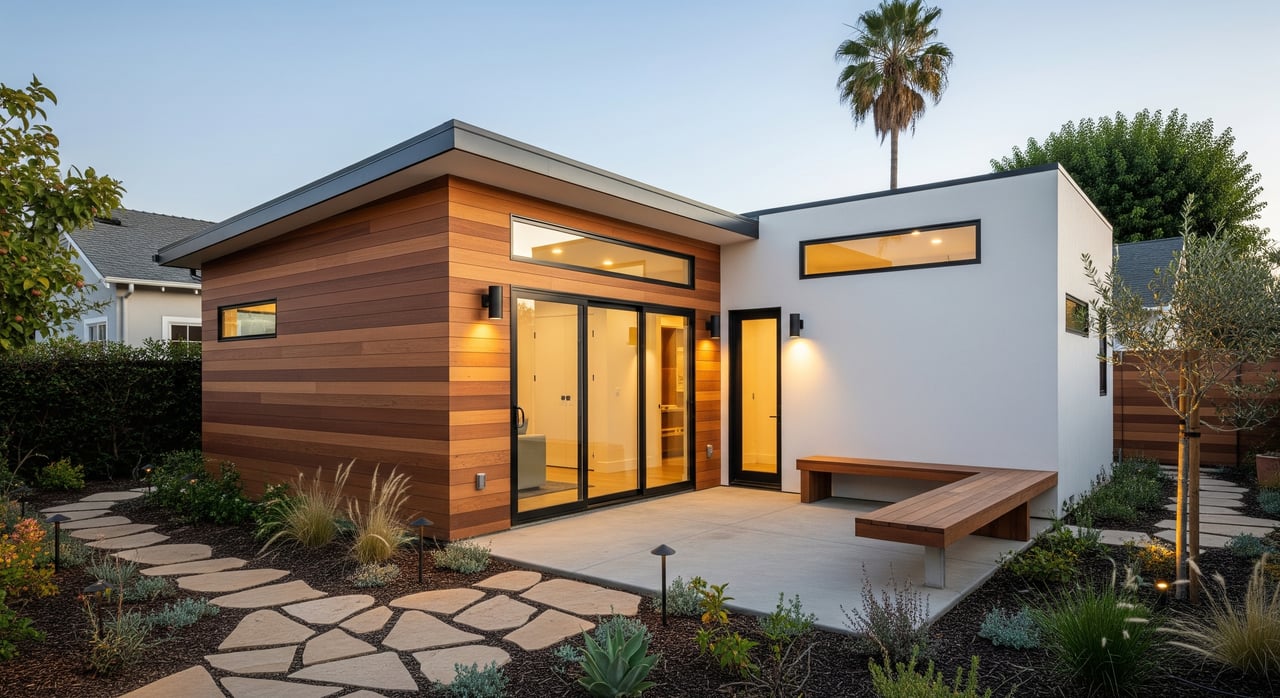
Thinking about adding an accessory dwelling unit to your Torrance property or buying a home that already has one? You are not alone. ADUs can create flexible living space, long-term rental income, and real value if you plan carefully. In this guide, you will learn the key rules, realistic timelines and costs, and the steps to move from idea to approved plans with confidence. Let’s dive in.
ADU basics: types and state rules
An accessory dwelling unit is a secondary home on the same lot as a primary residence. In Torrance, you will typically see four formats:
- Detached ADU: a stand-alone small home in the backyard.
- Attached ADU: connected to the main house with a separate entrance.
- Conversion ADU: a garage, basement, or other space converted into a unit.
- Junior ADU (JADU): a small unit created within the existing home.
Under California law, ADUs benefit from streamlined approvals and limits on local barriers. State guidelines commonly allow ADUs up to 1,200 square feet and JADUs up to 500 square feet, subject to local objective standards like setbacks, height, and design. For a clear overview of state protections and best practices, review the California HCD’s ADU resources page on Accessory Dwelling Units.
Local rules still matter. Torrance must follow state law, but the city can apply objective standards for safety and design. Always verify current requirements with the City’s Planning and Building teams before you commit to a design or a contractor.
What to check first in Torrance
Before you start plans, confirm the basics for your specific parcel. Begin with the City of Torrance’s Planning Division and Building & Safety webpages on the City of Torrance site.
Zoning and lot conditions
- Confirm your zoning and whether ADUs are allowed on your lot type. Most single-family areas allow at least one ADU, and many multifamily lots allow ADUs too.
- Check setbacks, maximum building height, and lot coverage limits that could shape your design.
- Flag easements, slopes, utilities, or neighborhood overlays that affect buildable area.
Size and height limits
- State caps often cited: up to 1,200 square feet for ADUs and 500 square feet for JADUs.
- Torrance may have different maximums by zone or lot size. Ask Planning for the current standards and any objective design rules.
Parking and access
- California law provides parking exemptions in several cases, for example when an ADU converts existing space or is located near transit. Torrance applies these rules locally.
- Confirm driveway access and Fire Department requirements like clear access and turning radii.
Utilities and connections
- Expect to evaluate electrical panel capacity, gas service, and water and sewer connections. Separate meters are sometimes requested for rental operations.
- Coordinate early with the City’s Public Works or Water Division, since utility upgrades can influence cost and timeline.
Short-term rentals, HOAs, and business rules
- If you plan to use an ADU as a short-term rental, review Torrance’s short-term rental rules and any licensing or safety requirements. Policies can change, so check the latest city guidance.
- If your property has an HOA, read the CC&Rs and involve the association early. HOA design standards and rental rules vary.
Property taxes
- New construction generally affects assessed value. To understand how an ADU might change your property tax bill, consult the Los Angeles County Assessor.
The ADU process in Torrance
A successful ADU build follows a clear path. Plan for several months from idea to occupancy, and give yourself buffer time for plan-check revisions and contractor scheduling.
1) Feasibility check
- Timeline: about 1 to 4 weeks.
- Tasks: confirm zoning, setbacks, lot coverage, and parking triggers. Identify easements and utility capacity. Start with a call or pre-application inquiry to Torrance Planning.
2) Design and budget
- Timeline: about 4 to 8 or more weeks.
- Tasks: hire a designer or architect, and engage a structural engineer if needed. Prepare site plans, floor plans, elevations, and MEP drawings. Align scope with your budget.
3) Plan submittal and plan check
- Timeline: about 4 to 12 or more weeks.
- Tasks: submit plans for ministerial review. If your design meets objective standards, approvals do not require discretionary hearings. Respond to plan-check comments promptly to save time.
4) Permits and construction
- Timeline: about 3 to 9 or more months.
- Tasks: secure permits, start construction, and schedule inspections. A garage conversion is typically faster than a new detached build.
5) Final inspections and occupancy
- Timeline: about 1 to 4 weeks after construction.
- Tasks: complete final inspections and obtain your certificate of occupancy. If you plan to rent, confirm any local registration or business license requirements.
Realistic costs and how to pay
Every site is different. The scope of work, foundation needs, grading, utility upgrades, and finish level all drive cost.
- Garage or interior conversions: often the lower end of ADU costs, from the lower tens of thousands into the low six figures depending on scope.
- New detached ADUs: commonly land in the mid-hundreds of thousands in Southern California once you include site work, permits, and finishes. Size and complexity matter.
Financing options to explore:
- Cash or savings.
- Construction loans or ADU-specific loans from private lenders.
- HELOC or cash-out refinance.
- FHA 203(k) or similar renovation mortgages, subject to lender terms.
- Local or state incentive programs. Check the City of Torrance, Los Angeles County, and California HCD for current offerings.
Get at least three detailed bids from licensed contractors with ADU experience in the South Bay. Ask for a clear scope, allowances, change-order process, and references.
Use cases that work in Torrance
ADUs are flexible. Common approaches include:
- Multigenerational living for aging parents, grown children, or a caregiver.
- Long-term rental income to help offset your mortgage.
- Short-term rental use, if allowed by local rules.
- A home office, studio, or guest suite that can boost livability and resale appeal.
For return on investment, weigh construction cost, operating expenses, likely rent, vacancy, property tax changes, insurance, and financing costs. For property taxes and valuation basics related to new construction, visit the Los Angeles County Assessor and consult a tax advisor for guidance on reporting rental income, depreciation, and deductions.
Buying a Torrance home with an ADU
If you are shopping for a home that already has an ADU, take a close look at documentation and compliance.
- Verify permits: request finaled permits and a certificate of occupancy for the ADU.
- Confirm zoning: ensure the ADU is permitted for the lot and use.
- Check utilities: ask about electrical panel capacity, water and sewer connections, and any separate meters.
- Understand rental rules: if you plan to rent, confirm whether long-term or short-term rentals are allowed for that address.
- Appraisal and lending: lender treatment of ADUs varies. Discuss with your lender early if you need rental income to qualify.
A simple next-steps checklist
Use this quick list to organize your project or due diligence:
- Contact Torrance Planning for a parcel-specific feasibility check.
- Walk your site to note setbacks, trees, slopes, easements, and utility locations.
- Decide on ADU type: conversion, attached, detached, or JADU.
- Interview designers and contractors with ADU experience in Torrance.
- Review HOA CC&Rs if applicable and engage the HOA early.
- Map your budget, timeline, and financing approach.
- Confirm parking, access, and fire-safety requirements for your lot.
- Check with the Los Angeles County Assessor about potential tax impacts.
- Align your plan with state rules using the California HCD’s ADU resources.
Building or buying with an ADU is a smart move when you have a clear plan. If you want a sounding board on location, resale, and rental potential in Torrance, reach out. You will get honest, data-informed guidance and a smooth process from first look to keys in hand.
Ready to talk through your options in Torrance and the South Bay? Connect with Christina Yelnick for buyer or seller representation, leasing assistance, or a focused home valuation.
FAQs
Does Torrance allow ADUs on all single-family lots?
- State law strongly supports ADUs on single-family lots, but parcel-specific zoning, setbacks, and overlays apply, so confirm details with Torrance Planning for your address.
How large can my ADU be in Torrance?
- State-level caps commonly allow up to 1,200 square feet for ADUs and 500 square feet for JADUs, but always verify the city’s current maximums and standards for your zone.
Do I need to add parking for an ADU?
- California provides several parking exemptions, for example near transit or for conversions of existing space, but you should check Torrance’s local rules for your site.
How long does ADU permitting take in Torrance?
- Expect several months from design to occupancy; complete plans and quick responses to plan-check comments usually keep timelines on track.
Can my HOA stop me from building an ADU?
- HOA rules vary and state law has limited some restrictions, so review CC&Rs early and coordinate with the association to understand design and rental standards.
Can I use my ADU as a short-term rental in Torrance?
- Possibly, but you must follow Torrance’s current short-term rental rules and any licensing or safety requirements, so verify before you list.
Will adding an ADU raise my property taxes?
- New construction typically increases assessed value; contact the Los Angeles County Assessor to understand how your project could change your tax bill.