Buying your first place in Lake View can feel exciting and overwhelming at the same time. You want a home that fits your budget, your lifestyle, and your future plans, but condos come with extra layers like HOA dues, reserves, and building documents. The good news is that with the right approach, you can shop smarter and avoid common surprises. Let’s dive in.
Why Lake View Fits Starter Buyers
Lake View makes sense for many first-time condo buyers because the neighborhood already has the kind of housing mix that often appeals to early-career buyers and couples. CMAP estimates Lake View has 101,163 residents, 56,766 occupied housing units, and a 62.6% renter-occupied housing share.
That renter-heavy profile matters because it suggests a large pool of people making the jump from renting to owning. CMAP also reports that 50.8% of households are one-person households, which supports the idea that smaller condo homes can be a practical entry point into ownership here.
You will also find a lot of smaller homes in the area. CMAP reports that 45.4% of units have 0 to 1 bedrooms and 32.7% have 2 bedrooms, which lines up well with what many starter buyers are looking for.
What Starter Condo Prices Look Like
Lake View condo prices vary depending on the source, the building, and the timing of the data. That is why it helps to think in ranges instead of locking onto one exact number too early.
Recent public market snapshots cluster in a fairly similar band. Redfin reported a March 2026 median sale price of $515,000 for Lake View homes and a median condo listing price of $400,000, while Realtor.com showed a median listing price of $424,900 and Zillow reported an average home value of $436,266 with a median sale price of $505,917.
For you as a buyer, the takeaway is simple. Use these numbers as orientation, not a promise of what every condo should cost. A one-bedroom in a vintage walk-up and a unit in a newer amenity building may sit in very different price and fee ranges.
Lake View Buildings: Older Is Common
One of the biggest things to understand about Lake View is that much of the housing stock is older. CMAP reports that 35.3% of units were built before 1940, 25.7% were built from 1940 to 1969, and only 5.5% were built in 2010 or later.
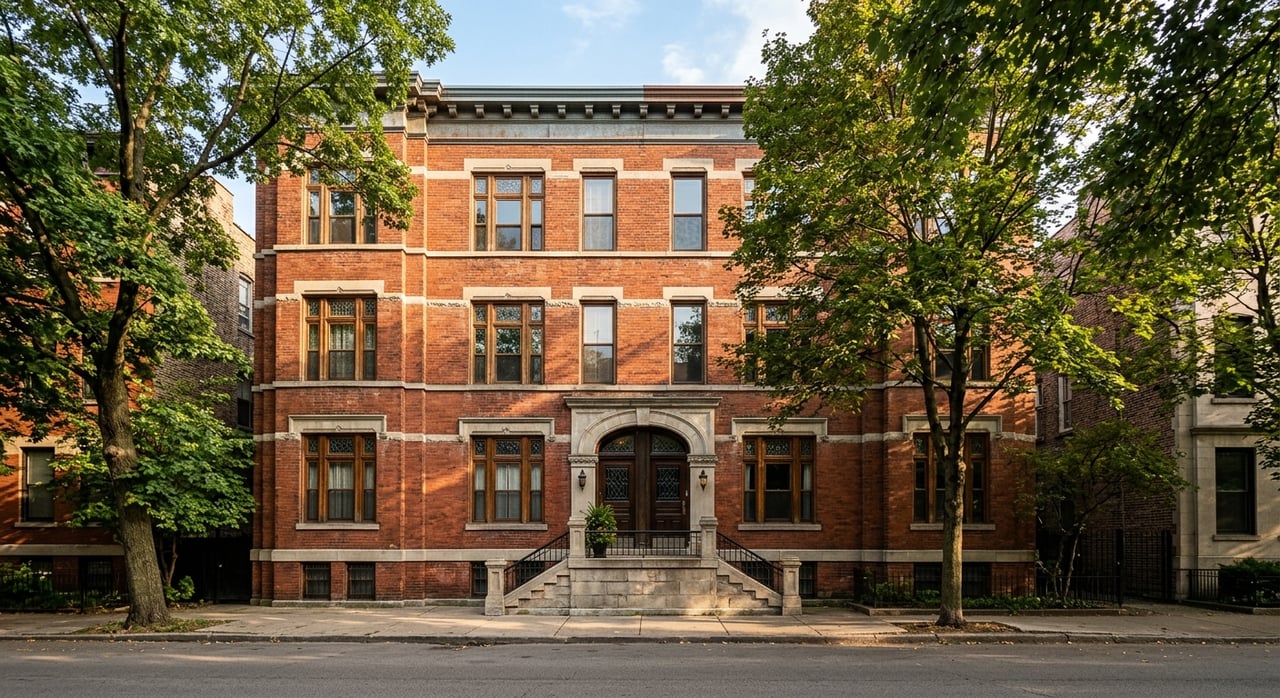
That means many starter condo options are likely to be in vintage or older mid-rise buildings. This can be a real advantage if you love architecture, room proportions, or classic Chicago building character.
At the same time, an older building requires more careful review. Age alone is not the issue. The real question is whether the association has planned and budgeted well for shared building systems and long-term repairs.
Budget Beyond the Mortgage
If you are buying your first condo, the biggest mindset shift is that your monthly payment is more than principal and interest. Your real ownership budget should include several building-specific costs.
Here are the main items to plan for:
- Monthly HOA dues
- Property taxes
- Your own insurance needs
- Utilities not covered by the association
- A cushion for special assessments or unexpected building costs
HOA dues are especially important because there is no reliable Lake View-wide average from primary sources. In other words, dues should be treated as building-specific, not neighborhood-wide.
A low monthly fee is not automatically better. Sometimes a lower-fee building is simply deferring maintenance or underfunding reserves, which can create bigger costs later.
Why Reserves Matter So Much
In Illinois, reserve strength is one of the clearest signs of a condo association’s financial health. Under the Illinois Condominium Property Act, boards must prepare and distribute a detailed annual budget and provide reasonable reserves for capital expenditures and deferred maintenance.
The law also allows reserve waivers only by a supermajority vote, and those waivers must be disclosed in financial statements and in the buyer disclosure packet. For you, that means reserve health is not just a nice extra detail. It is central to how you evaluate risk.
Strong reserves can suggest that a building is planning ahead for major shared expenses. Weak reserves may mean a greater chance of future special assessments if major repairs come up.
What Special Assessments Can Mean
Special assessments are one of the biggest budget variables in condo ownership. They can arise when a building needs major work and does not have enough cash on hand to cover it through reserves or regular dues.
In practical terms, that work might involve shared systems or common elements such as the roof, masonry, plumbing, elevators, or other major repairs. This is especially relevant in Lake View, where older housing stock is common.
That does not mean you should avoid vintage buildings. It means you should ask better questions and make sure your budget leaves room for the possibility of extra building-related costs over time.
How to Compare Vintage vs Newer Condos
There is no one-size-fits-all answer here. Your best choice depends on how you balance price, maintenance risk, space, amenities, and monthly carrying costs.
Vintage condo tradeoffs
Vintage buildings can offer:
- More architectural character
- Potentially better room proportions
- A classic Lake View feel
But they may also require closer review of:
- Reserve funding
- Repair history
- Deferred maintenance
- Upcoming capital projects
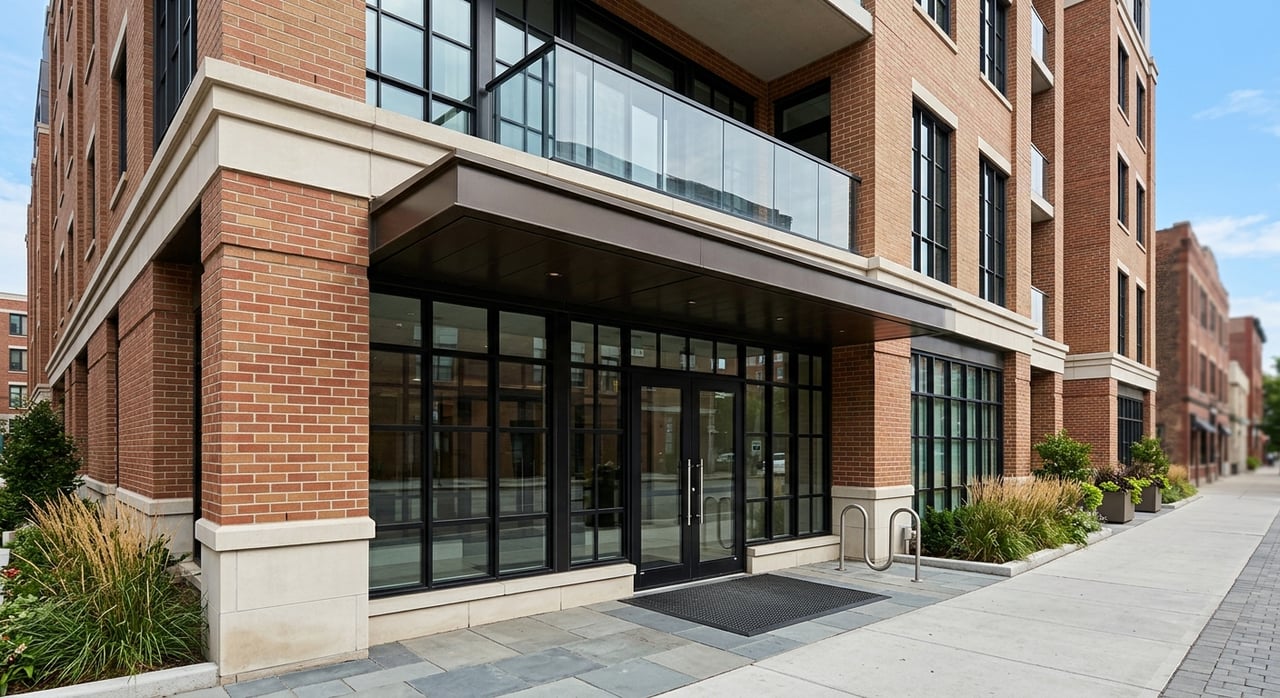
Newer condo tradeoffs
Newer buildings are a smaller slice of the market. Since only 5.5% of Lake View housing units were built in 2010 or later, they may be more limited and come with different pricing and amenity tradeoffs.
A newer building may reduce immediate maintenance uncertainty, but that does not mean you can skip document review. You still want to understand dues, reserves, insurance, and any planned future work.
Property Taxes Need Unit-Level Review
Do not assume a condo’s taxes based on a nearby listing or even another unit in the same building. In Cook County, property taxes should be verified unit by unit.
The Cook County property search instructions specifically note that condo buyers should include the unit number when searching. The county tax portal also provides a five-year history of billed amounts and current bill payment status.
That makes tax verification one of the easiest ways to avoid budget mistakes early in your search. Before you get too attached to a listing, confirm the actual tax history for that exact unit.
What to Review in the Disclosure Packet
For resale condos in Illinois, the disclosure packet is one of your most important tools. It can tell you much more than a listing ever will.
Under the Illinois Condominium Property Act, the packet can include:
- The declaration and bylaws
- Statements of liens and unpaid assessments
- Anticipated capital expenditures for the next two fiscal years
- Reserve fund status
- The association’s financial condition
- Pending suits or judgments
- Insurance coverage
- Notes about prior alterations
The association must provide this information within 10 business days after a written request, and the seller or association may charge a reasonable fee for the packet. For a first-time buyer, this is where the building starts to become either more reassuring or more risky.
Ask About Financing Early
Not every condo building is equally easy to finance. Fannie Mae notes that condo projects can become problematic for financing when they have critical repairs, inadequate insurance, or pending significant litigation.
That is why it helps to ask early whether the building appears warrantable and whether the lender has already reviewed the project. Waiting too long to ask can create stress after you are already emotionally invested.
If you are comparing several Lake View buildings, this step can help you avoid wasting time on options that may create financing problems later.
Parking Should Be a Real Budget Choice
Parking is not a must-have for every Lake View buyer. CMAP reports that 40.4% of Lake View households have no vehicle available, while 32.3% of workers commute by transit and 6.6% walk or bike to work.
That data matters because parking can add to both purchase price and monthly costs. If you do not truly need it, skipping it may help you stay within budget or buy in a stronger building.
If you do need parking, treat it as a firm search criterion from the beginning. It is much easier to search clearly than to compromise late.
When to Bring in an Agent
You do not need to wait until the last minute to get support. In fact, condo buyers often benefit from guidance early, especially when comparing buildings with very different fee structures, reserve health, and document quality.
An agent becomes especially valuable when you are trying to tell the difference between a low-fee building with strong financials and a low-fee building that may be underfunded. That is where building-level context matters much more than neighborhood-level search.
Condo buyers also tend to have limited time to review documents after an offer is accepted. Getting experienced help before that stage can make the process feel much more manageable.
A Smart Starter Condo Checklist
As you narrow your options in Lake View, keep this checklist handy:
- Confirm the unit-level property tax history
- Ask what the HOA fee covers
- Review reserve funding and annual budget information
- Ask about current or planned special assessments
- Look for anticipated capital expenditures
- Review insurance and any pending litigation
- Ask your lender whether the building appears warrantable
- Decide early if parking is a need or an extra
Buying your first condo is not just about finding the right unit. It is about choosing the right building, the right monthly cost structure, and the right level of long-term risk for your comfort.
If you are thinking about buying a starter condo in Lake View, having a clear process can make all the difference. Christina Yelnick offers a warm, consultative approach that helps you compare buildings, understand the numbers, and move forward with confidence.
FAQs
What should a first-time condo buyer budget for in Lake View?
- Your budget should include mortgage costs, HOA dues, property taxes, insurance needs, utilities not covered by the association, and a cushion for possible special assessments.
How can a Lake View condo buyer tell if reserves are healthy?
- Review the association budget, reserve information, and disclosure packet to see whether the building appears to be planning for capital expenditures and deferred maintenance.
What does the Illinois condo disclosure packet include for resale purchases?
- It can include the declaration, bylaws, unpaid assessments, anticipated capital expenditures, reserve status, financial condition, insurance coverage, pending suits or judgments, and notes about prior alterations.
Should a Lake View condo buyer worry about older buildings?
- Not automatically. Older buildings are common in Lake View, so the key is to review reserves, repair history, deferred maintenance, and planned building work instead of focusing on age alone.
How should a buyer verify property taxes for a Lake View condo?
- Use the Cook County property and tax search tools and include the exact unit number, since condo taxes should be verified at the unit level.
When should a condo buyer ask if a Lake View building is warrantable?
- Ask early in the process, ideally before getting too attached to a unit, so your lender can flag possible financing issues related to repairs, insurance, or litigation.