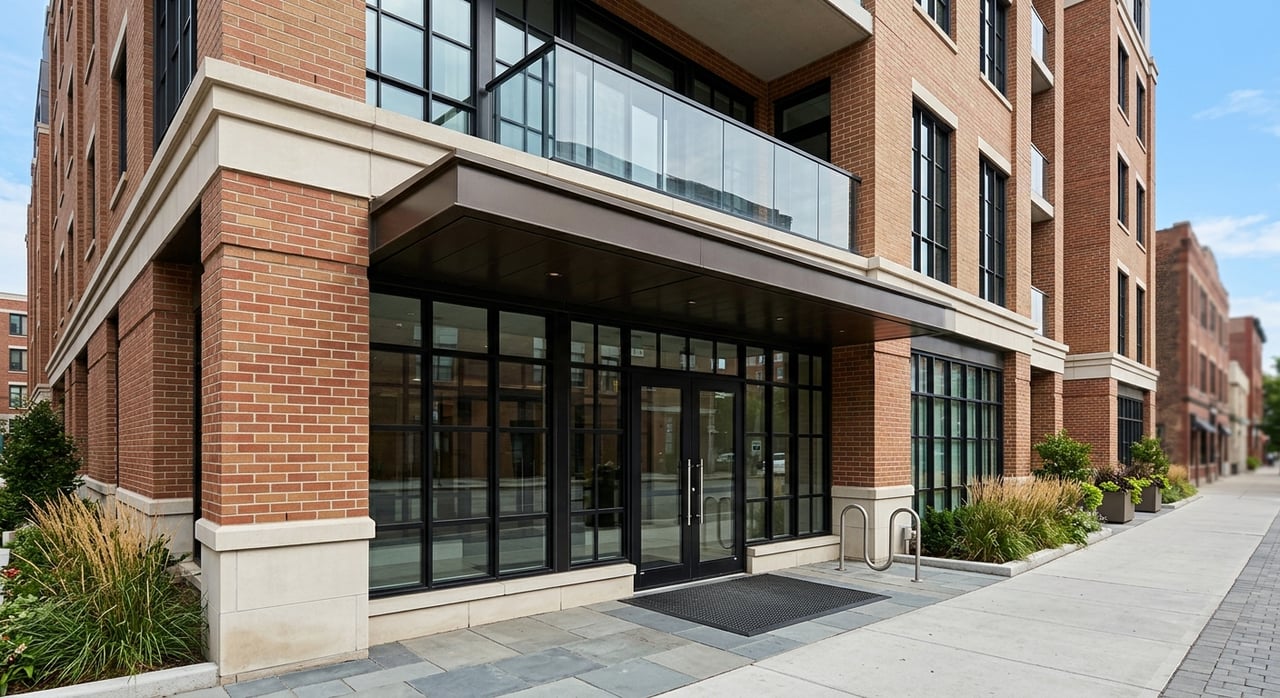
Buying brand-new condo space in West Loop can feel like the easy choice. Everything looks polished, the finishes are fresh, and the sales center is designed to impress. But in a premium market like West Loop, a smart purchase goes far beyond the model unit. If you want to judge value with confidence, you need to look at the building, the budget, and the long-term resale picture together. Let’s dive in.
Why West Loop demands careful evaluation
West Loop remains one of Chicago’s most active condo markets, with strong buyer demand, a highly walkable setting, and relatively quick selling timelines. Recent market snapshots show median listing prices around the high $400,000s and median days on market ranging from 25 to 35 days, depending on the source. That pace can make new construction feel like a safe bet, but not every new building offers the same long-term value.
This is also a market with a wide pricing range. New construction in West Loop can sit in a very different tier than older resale condos, especially in luxury buildings. That means you should compare more than countertops and appliance packages. You also want to understand monthly carrying costs, buyer demand at resale, and whether the building will stay competitive after the “brand new” appeal fades.
Start with the full condo disclosure package
In Illinois, a first-time condo sale comes with required disclosures. These include the declaration, bylaws, a projected operating budget, and a floor plan. That package matters because it gives you the legal and financial framework of the building, not just the marketing version.
The projected budget is especially important. It should lay out estimated monthly payments, maintenance or management charges, and any recreational facility costs. If that information is missing, Illinois law gives buyers the right to rescind before closing. In other words, polished brochures are not a substitute for the real documents.
What to review in the budget
When you read the projected budget, focus on how the building plans to operate month to month. A low HOA fee can look attractive at first, but it may not tell the full story if reserves are thin or future costs are being pushed down the road.
Pay close attention to:
- Monthly assessments
- Management and maintenance expenses
- Amenity operating costs
- Reserve contributions
- Parking or storage fees, if separate
- Any costs that may rise after initial occupancy
Evaluate the developer, not just the design
A beautiful new building is only part of the story. In recently delivered condo projects, the developer may still control the association until the first unit-owner board is elected. Under Illinois law, that turnover must happen by the earlier of 75% of units being conveyed or three years after the declaration is recorded.
That timeline matters because developer control can affect decision-making, budgeting, and how early issues are handled. When turnover happens, the developer must hand over important records such as accounting, insurance policies, property schedules, warranties if any, tax bills, and litigation materials. If you are buying in a newer building, ask how far along that process is.
Questions to ask about the developer
Developer reputation should be part of your buying decision. You are not just buying a unit. You are buying into a building that will need sound management from day one.
Ask questions like:
- Were prior projects delivered on time?
- How were punch-list items handled?
- Has the developer completed smooth association turnovers before?
- Who controls the board today?
- What turnover documents have already been delivered?
If the project is a condo conversion instead of brand-new construction, ask even more questions. Illinois requires added disclosures for some conversions, including prior building expenses, reserve basis, and in some larger projects, an engineer’s report on structural components and major utility systems.
Look closely at HOA reserves and future costs
One of the biggest mistakes buyers make is focusing on today’s dues without thinking about tomorrow’s building expenses. Illinois law requires condo budgets to provide reasonable reserves for capital expenditures and deferred maintenance. In practice, that means the association should be planning for larger future repairs, not simply reacting when bills arrive.
Boards are expected to consider repair and replacement costs, useful life, expected return on reserves, any independent reserve study, the effect of dues increases on owners and market value, and the association’s ability to finance or refinance. That gives you a strong framework for evaluating whether the numbers seem realistic.
Why reserve health matters in West Loop
In West Loop, amenities can help a building stand out, but they can also raise operating costs. A rooftop deck, fitness center, door staff, or other shared features may be worth it if the budget supports them responsibly. They become a problem when the building’s HOA structure adds cost faster than the building adds value.
That is why reserve health matters so much. You want to know whether the building is preparing for real-world maintenance and replacement costs, or simply keeping dues low to support early sales.
Red flags to watch for
As you review documents, be cautious if you see:
- Very low dues without clear reserve funding
- Unclear reserve balances
- Major replacements expected soon after completion
- Pending lawsuits or claims
- Special assessments, or signs they may be needed soon
- Sharp budget increases without a clear explanation
Illinois law also sets notice rules around budget and special-assessment meetings. If an adopted budget or special assessment pushes total assessments above 115% of the prior year, owners holding 20% of the votes can petition for a unit-owner meeting, with certain exceptions for emergencies or legal requirements. That does not remove risk, but it does show why budget jumps deserve real attention.
Understand leasing rules before you buy
Even if you plan to live in the condo full time, it is wise to check leasing rules before making an offer. Life changes. A future job move, relocation, or timing gap between homes could make renting the unit important later.
Illinois recognizes that condo declarations and rules can restrict leasing. Associations may also require owners to provide the signed lease or a lease memorandum to the board. If flexibility matters to you, confirm the exact rules in writing before moving forward.
Check the all-in monthly payment
Your real cost is not just principal and interest. In a new construction condo, the monthly payment should also include HOA dues, property taxes, parking, storage, insurance, and any other recurring building expenses.
Cook County notes that property taxes depend on assessment, exemptions, and local tax levies. Residential property is assessed at 10% of fair market value for tax purposes. For buyers comparing buildings, this is a key reminder that a seemingly manageable list price can still lead to a much higher monthly carry than expected.
Build a simple carrying-cost comparison
Before you commit, compare your expected monthly cost across a few options. Include:
- Mortgage payment
- HOA dues
- Estimated property taxes
- Parking fees
- Storage fees
- Insurance
- Any amenity or move-in related recurring costs
This kind of side-by-side review can help you see whether the building’s value is supported by its cost structure.
Study future construction around the building
In a dense neighborhood like West Loop, your view today may not be your view next year. That does not mean future development is bad. It does mean you should understand what nearby parcels may allow before you buy.
Chicago’s zoning map can be searched by address, PIN, or intersection, making it a useful starting point for checking nearby sites. The city also notes that map visualizations are approximate, so treat the zoning map as an early research tool rather than the final word. For buyers of higher-floor units or homes priced for light and view premiums, this step is especially important.
Think about resale from day one
New construction often commands a premium, so it is worth asking who your likely future buyer will be. In West Loop, resale value is driven by location and building quality, not by newness alone. The market’s walkability, active condo inventory, and competitive pricing support buyer interest, but your specific unit still needs to fit what the next buyer will want.
Think through the full package. Floor plan, natural light, parking, storage, HOA level, amenity set, and building reputation all shape resale potential. A sleek lobby may help with first impressions, but a practical layout and sustainable monthly cost often matter more over time.
Features that support resale
As you tour, consider whether the condo will appeal beyond the initial sales launch. Strong resale potential often comes from a combination of:
- Functional floor plan
- Good natural light
- Competitive monthly dues
- Useful amenities, not just flashy ones
- Parking or storage that matches buyer expectations
- A building budget that appears sustainable
- A location that stays convenient within West Loop
A practical showing checklist
When you walk a new construction condo in West Loop, try to evaluate it like both a homeowner and a future resale buyer. That mindset can help you separate surface-level appeal from real value.
Use this checklist during your tour and document review:
- Who controls the board today?
- Has turnover started, and what records have been delivered?
- What is the current reserve balance?
- What major replacements are expected in the next 24 months?
- Are there pending lawsuits, claims, or special assessments?
- How much of the HOA fee goes to reserves versus daily operations?
- What are the leasing rules?
- What do nearby zoning conditions suggest about future light, views, or noise?
- What does the all-in monthly cost look like after taxes, HOA dues, parking, storage, and insurance?
A careful review now can help you avoid surprises later and choose a condo that fits both your lifestyle and your financial goals.
If you want a clear, organized way to compare new construction options in West Loop, working with an advisor who understands condo documents, carrying costs, and resale positioning can make the process much easier. If you’re weighing a purchase and want a thoughtful second set of eyes, Christina Yelnick can help you evaluate the details with confidence.
FAQs
What documents should you review for a new construction condo in West Loop?
- In Illinois, buyers should review the declaration, bylaws, projected operating budget, and floor plan, along with any other available association and building records.
Why do HOA reserves matter when buying a West Loop condo?
- HOA reserves matter because they help cover future capital repairs and deferred maintenance, which can reduce the risk of sudden special assessments or unstable budgets.
How can nearby development affect a West Loop new construction condo?
- Nearby development can affect light, views, and noise, so checking Chicago zoning information around the property is a smart part of due diligence.
What should your monthly budget include for a new construction condo in West Loop?
- Your monthly budget should include the mortgage payment, HOA dues, estimated property taxes, insurance, and any parking or storage fees.
Can you rent out a West Loop condo later if your plans change?
- Maybe, but you need to confirm the building’s leasing rules before buying because Illinois condo associations can restrict leasing and require lease-related submissions to the board.