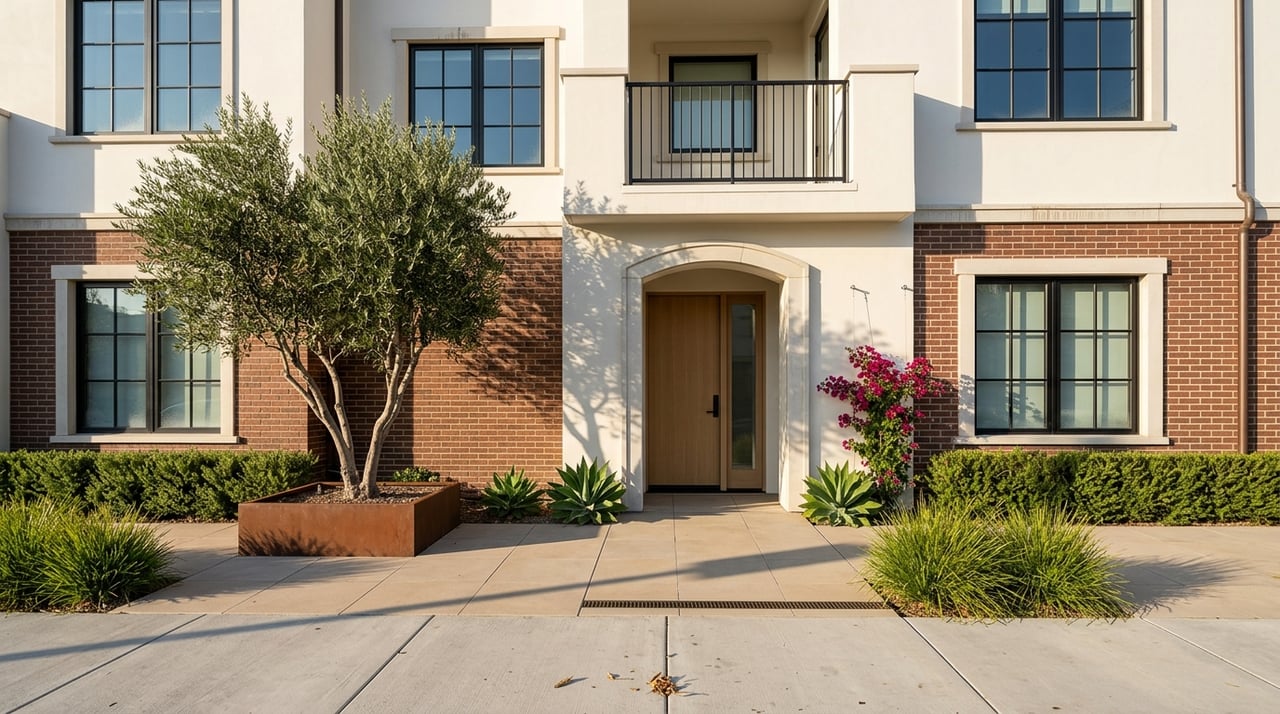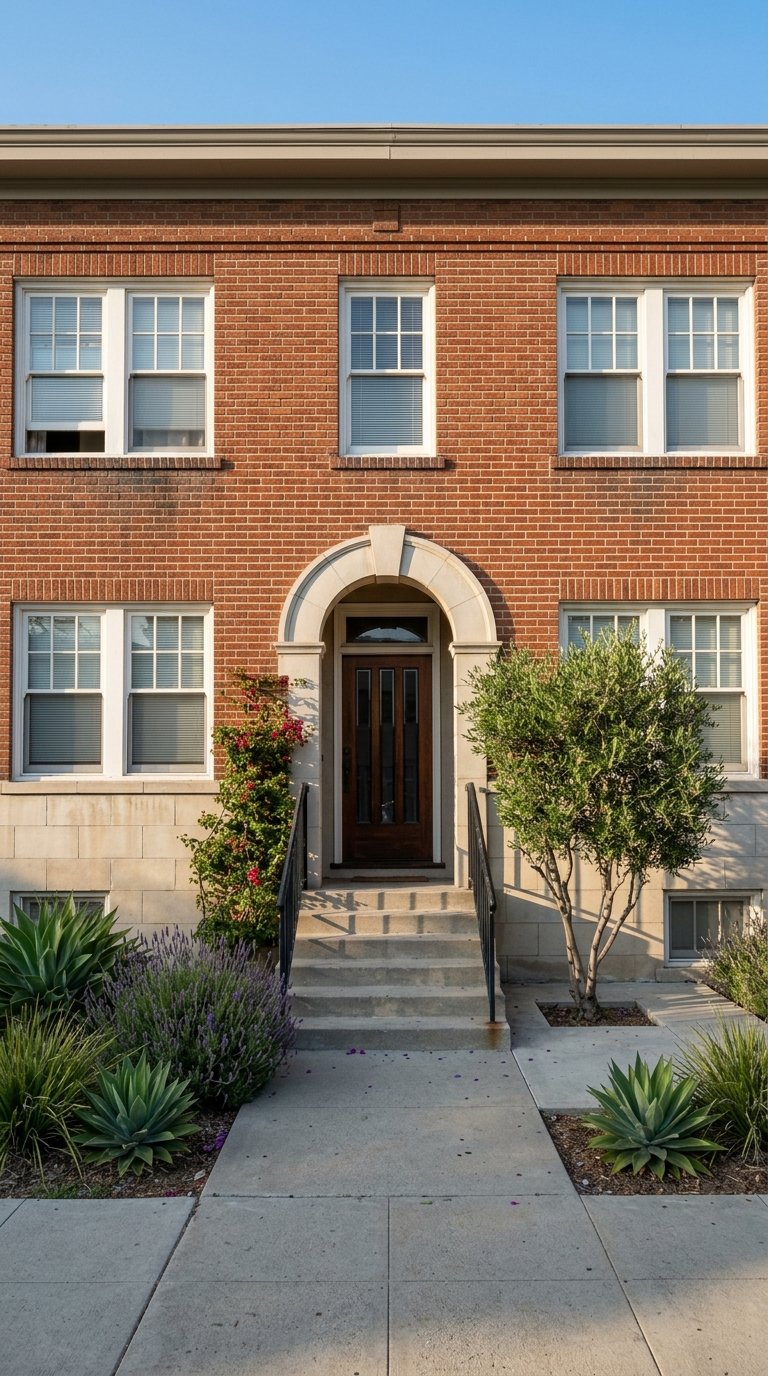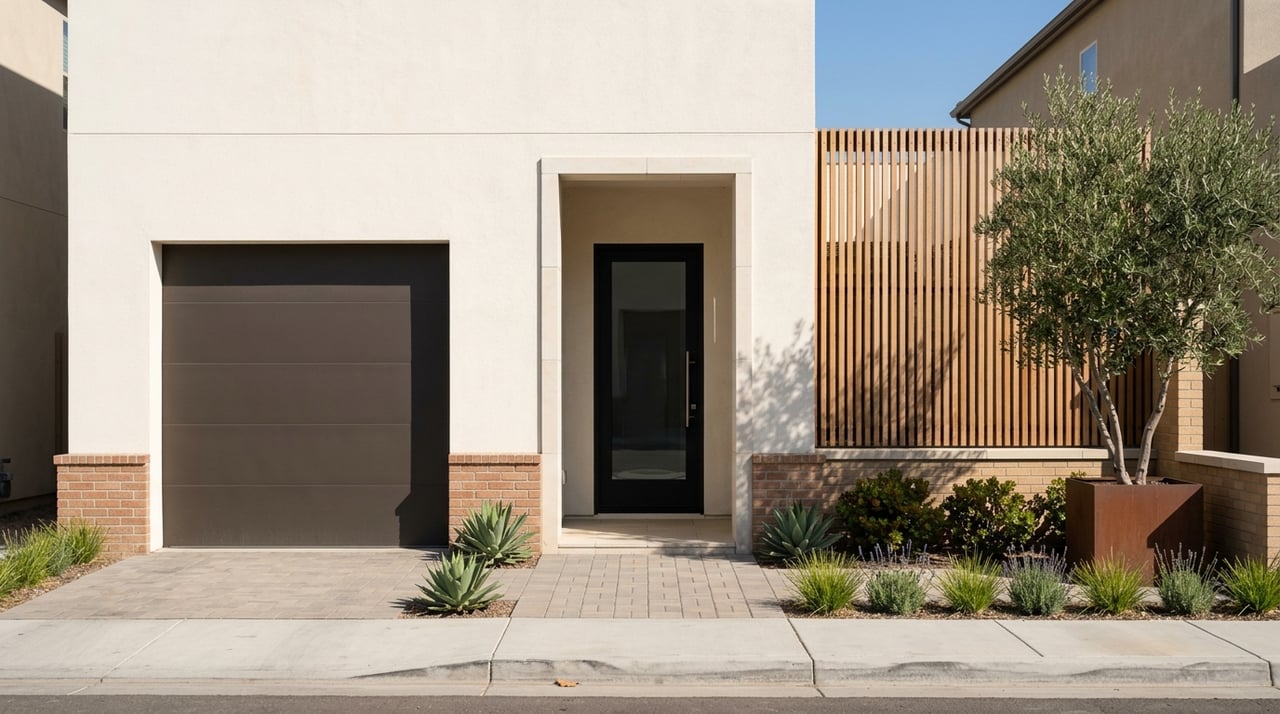
Wondering why one Manhattan Beach home sparks quick offers while another sits and chases the market? If you are getting ready to sell, pricing can feel especially tricky here because citywide averages only tell part of the story. This guide will help you understand what today’s buyers are seeing, what really drives value in Manhattan Beach, and how to think about a list price that attracts serious interest without leaving money on the table. Let’s dive in.
Manhattan Beach Is Strong, But Selective
Manhattan Beach remains a premium coastal market, and the numbers show steady demand. As of April 30, 2026, Zillow estimated the typical home value at $3,260,960, up 5.0% year over year, with homes going pending in about 16 days and 67 homes for sale.
At the same time, other market snapshots show a more layered picture. Redfin’s March 2026 report shows a median sale price of $3.325 million, 29 median days on market, and a 100.7% sale-to-list ratio. Realtor.com’s active listing data shows a higher median listing price of $4.299 million and an average of 40 days on market, which helps explain why sellers should not rely on one headline number alone.
The key takeaway is simple: Manhattan Beach buyers are active, but they are also price-aware. A strong market does not mean every home can stretch above where buyers see the value.
Why Micro-Location Drives Pricing
In Manhattan Beach, pricing starts with where your home sits within the city. The City of Manhattan Beach recognizes distinct areas such as the Sand Section, Downtown, North End/El Porto, Tree Section, and Hill Section. That matters because buyers often shop these sections differently, and they do not always compare them as if they are interchangeable.
A home near the beach may compete in a very different pool than a home farther inland. The city reports 2.1 miles of beachfront and 40 acres of recreational beach area, with the shoreline stretching from 45th Street to 1st Street. Homes closer to the shoreline, the pier, Downtown, or surf-oriented blocks often attract buyers who are prioritizing lifestyle and location first.
That does not mean beach proximity automatically creates the highest value in every case. Elevated lots, interior blocks, and homes in other sections can perform well too, but they need to be priced against the right local competition. In Manhattan Beach, section-level pricing is often more useful than citywide averages.
Buyers Look Past Square Footage
Square footage matters, but it is not the full pricing story here. Manhattan Beach buyers often look closely at lot utility, view potential, outdoor space, condition, parking, and even a property’s future remodel or rebuild potential.
Parking can carry real value, especially in beach-adjacent areas. The city maintains 12 parking lots with more than 1,400 spaces, and it also has overnight residential permits for beach lots and a downtown residential override zone. In practical terms, that helps explain why private garages, driveways, and convenient parking can make a noticeable difference in how buyers value a home.
Condition matters too. A move-in-ready home and a home that needs major updating may sit in the same city, but buyers will price those opportunities very differently. If your home also has view potential, strong outdoor living, or a more functional lot, those details can shape how aggressively buyers respond.
Pricing for Land Value Requires Extra Care
Some Manhattan Beach sellers are not just selling a house. They are selling a lot, a future project, or a long-term opportunity. If that is part of your home’s appeal, pricing should still reflect what a buyer can realistically do after closing.
The city says that projects within the Coastal Zone generally require a coastal development permit unless exempt. Its Local Coastal Program also includes permit procedures and off-street parking and loading regulations. The city’s tree ordinance is also designed to preserve neighborhood character and can affect how buyers think about future plans.
That means redevelopment value is not just about lot size or imagination. It is about what is feasible, what may require approvals, and how much effort a buyer is willing to take on. Overpricing based on best-case potential can push buyers away if they see too much uncertainty.
Why Broad Averages Can Mislead Sellers
Online estimates can be useful as a starting point, but they should not become your pricing strategy. Zillow’s value estimate, Redfin’s closed-sale data, and Realtor.com’s active-listing snapshot are each measuring something different.
That is why these numbers can look far apart without actually conflicting. One source may show modeled home values, another may focus on recent closed sales, and another may reflect current asking prices. If you choose a list price based only on the highest number you can find, you risk chasing an aspirational market instead of meeting today’s buyers where they are.
A smarter approach is to use online estimates as background information, then anchor your price to the most relevant sold comps. In Manhattan Beach, the best comp set is usually very narrow.
What the Right Comp Set Looks Like
The strongest pricing strategy usually comes from recent sales in the same section with similar lot size, condition, and view profile. In a market with many small submarkets, a broad city average can hide major differences from block to block.
Recent Redfin sales show how wide the range can be. One 2026 sale closed 3% over list after 67 days, while another closed 16% under list after 75 days. That spread is a reminder that location, lot, and condition can outweigh general market strength.
When you price your home, the goal is not to find the highest nearby sale and assume it applies. The goal is to identify the homes buyers will truly compare to yours, then position your listing so it looks credible and compelling the moment it hits the market.
Overpricing Still Has a Cost
Even in a competitive market, overpricing can slow momentum. Redfin reports that 20.3% of Manhattan Beach homes had price drops, while Zillow’s March 2026 snapshot shows 28.8% of sales went over list and 59.4% sold under list.
Those numbers matter because they show buyers are not automatically paying above asking across the board. Well-positioned homes can still command strong pricing, but the market does not reward overreach just because Manhattan Beach is desirable.
If a home starts too high, buyers may hesitate, wait, or assume there is less room for a fair deal. Once a property sits longer than expected, sellers can lose the benefit of a fresh launch and may end up making reductions that could have been avoided with a sharper opening price.
How to Price for Today’s Buyers
Today’s buyers want a price that feels supported from day one. They are comparing your home against recent sales, current inventory, and the specific features that matter in your section of Manhattan Beach.
A practical pricing approach usually includes:
- Recent closed sales in the same section
- Similar lot size and utility
- Similar condition and update level
- Comparable view or beach-access profile
- Parking setup and outdoor space
- Any local regulatory factors that may affect future plans
This is where a consultative approach can make a big difference. Instead of choosing a number based on hope, you build a case for value based on how buyers actually shop and what they can verify.
A Local Strategy Matters More Here
Manhattan Beach is not a market where a simple formula works for every home. Local neighborhood differences, parking realities, Coastal Zone rules, and section-specific buyer demand all shape value in ways that broad regional advice may miss.
That is why pricing should be both data-driven and local. You want a strategy that reflects current demand, recent sold comps, and the real story your home tells in today’s market. When those pieces line up, you give your listing the best chance to attract serious buyers and strong offers.
If you are thinking about selling and want a pricing strategy tailored to your home, section, and goals, Christina Yelnick can help you evaluate the market with clarity and confidence.
FAQs
How should Manhattan Beach sellers price a home in today’s market?
- Start with recent sold comps that closely match your home’s section, lot size, condition, and view profile, then weigh current inventory and buyer demand before setting a final list price.
Should Manhattan Beach sellers trust online home value estimates?
- Use online estimates as a starting point, not the final answer, because Zillow, Redfin, and Realtor.com each reflect different market measures rather than one exact list-price recommendation.
Does beach proximity always raise Manhattan Beach home values the most?
- Beach proximity is a major value driver, but pricing still depends on micro-location, because homes near the beach, in interior sections, and on elevated lots can attract different buyer pools.
Why do Manhattan Beach home prices vary so much by section?
- The city recognizes distinct areas like the Sand Section, Tree Section, Hill Section, Downtown, and North End/El Porto, and buyers often evaluate homes within those sections rather than across the city as one market.
What property features matter most when pricing a Manhattan Beach home?
- Buyers often focus on lot utility, condition, view potential, outdoor space, parking, and possible remodel or rebuild potential, not just square footage.
Why can overpricing a Manhattan Beach home backfire?
- Overpricing can reduce early interest, increase time on market, and lead to price cuts later, especially in a market where many homes still sell under list despite strong overall demand.