Dreaming of beach days, easy errands, and fewer hours behind the wheel? In Redondo Beach, that lifestyle can be more realistic than many buyers expect. If you want to live near the coast without relying on your car for every small trip, this city offers some strong possibilities. The key is knowing where walkability, beach access, and transit come together. Let’s dive in.
Why Redondo Beach Fits Car-Light Living
Redondo Beach is a compact coastal city of about six square miles, and city planning documents place real emphasis on pedestrian-oriented areas, active transportation, and transit access to services. That matters if you want a home base where daily life feels more local and less car-dependent.
That said, it helps to set the right expectation. Redondo Beach is best framed as car-light, not fully car-free. Many households still keep a car for regional trips, commuting, or errands outside the most connected parts of town.
South Redondo Stands Out
If your goal is to walk more and drive less, South Redondo tends to offer the strongest fit. City planning points to Riviera Village as one of Redondo Beach’s most neighborhood-oriented and walkable mixed-use districts, with small shops, restaurants, offices, low-rise buildings, sidewalk frontage, and outdoor dining.
The city’s PCH South policy area is also designed to improve pedestrian and bicycle access to Riviera Village and the beaches. In practical terms, that gives you a clearer path to a lifestyle where coffee, dinner, small errands, and ocean time can all happen within a shorter radius.
The Pier, Harbor, and beach areas also support this pattern. Los Angeles County identifies the coastal stretch from the Pier to Torrance Beach as a major recreation resource, with amenities like restrooms, showers, volleyball nets, bike-path access, restaurants, and pier shops.
North Redondo Has Select Pockets
North Redondo can also work for a car-light routine, but it functions differently from South Redondo. Instead of a village-style coastal district, the city’s planning focuses on places like the Galleria area and the Artesia and Aviation corridors.
The Galleria area is envisioned as a transit-oriented center with regional commercial uses and higher-density housing. The Artesia and Aviation corridors are intended to support local-serving commercial space, neighborhood connectivity, and multifamily housing.
For buyers, that means North Redondo may feel more corridor-based and transit-connected rather than beach-village oriented. If your version of car-light living centers on practical access to services and transit, these pockets may be worth a closer look.
Daily Life Works Best in Compact Nodes
One of the most useful ways to think about Redondo Beach is not as a city with one central downtown, but as a collection of compact, use-rich districts. The city’s commercial areas are built around combinations of retail, restaurants, personal services, office space, and mixed-use activity.
That clustering is what makes car-light living more achievable. When your errands, casual meals, and day-to-day needs sit closer together, you can handle more of life on foot, by bike, or with a shorter local trip.
This is especially helpful for buyers relocating from denser urban neighborhoods who still want convenience, even in a coastal setting. You may not replicate a fully urban transit lifestyle, but you can create a routine that feels much more flexible and local.
Transit Options Add Flexibility
Transit is a meaningful part of the equation in Redondo Beach, especially if you want to reduce driving instead of eliminate it. Beach Cities Transit serves the South Bay and connects Redondo Beach with other local cities and systems, including Metro Bus and Rail, Torrance Transit, LADOT Commuter Express, GTrans, Palos Verdes Peninsula Transit Authority, and Lawndale Beat.
Metro’s K Line reaches Redondo Beach Station, and the LAX/Metro Transit Center connects the C Line, K Line, and several bus operators, including Beach Cities Transit. For some buyers, that opens up more options for airport access, regional connections, and daily planning without depending on a car for every leg of the trip.
Los Angeles County also lists Beach Cities Transit 102, Bus 3, and Bus 7 at the Redondo Beach Pier stop. If you live near the waterfront or along a well-served corridor, those connections can support a lighter-driving routine.
Biking Expands Your Range
For many people, biking is what makes car-light coastal living truly work. The Marvin Braude Coastal Bike Trail is a 22-mile paved path that runs between Will Rogers State Beach and Torrance Beach and stays open year-round.
That path adds both recreation and practical mobility. It can connect beach access, exercise, and local movement in a way that supports the kind of lifestyle many buyers picture when they think about living near the coast.
City planning also prioritizes bike and pedestrian connections between neighborhoods, the waterfront, transit stations, and commercial corridors. That long-term focus is a positive sign if you want a location where fewer trips need to start with a car key.
Housing Types That Support the Lifestyle
The best home for car-light living is usually not just about square footage or finishes. It is also about how close you are to daily destinations, transit, and neighborhood services.
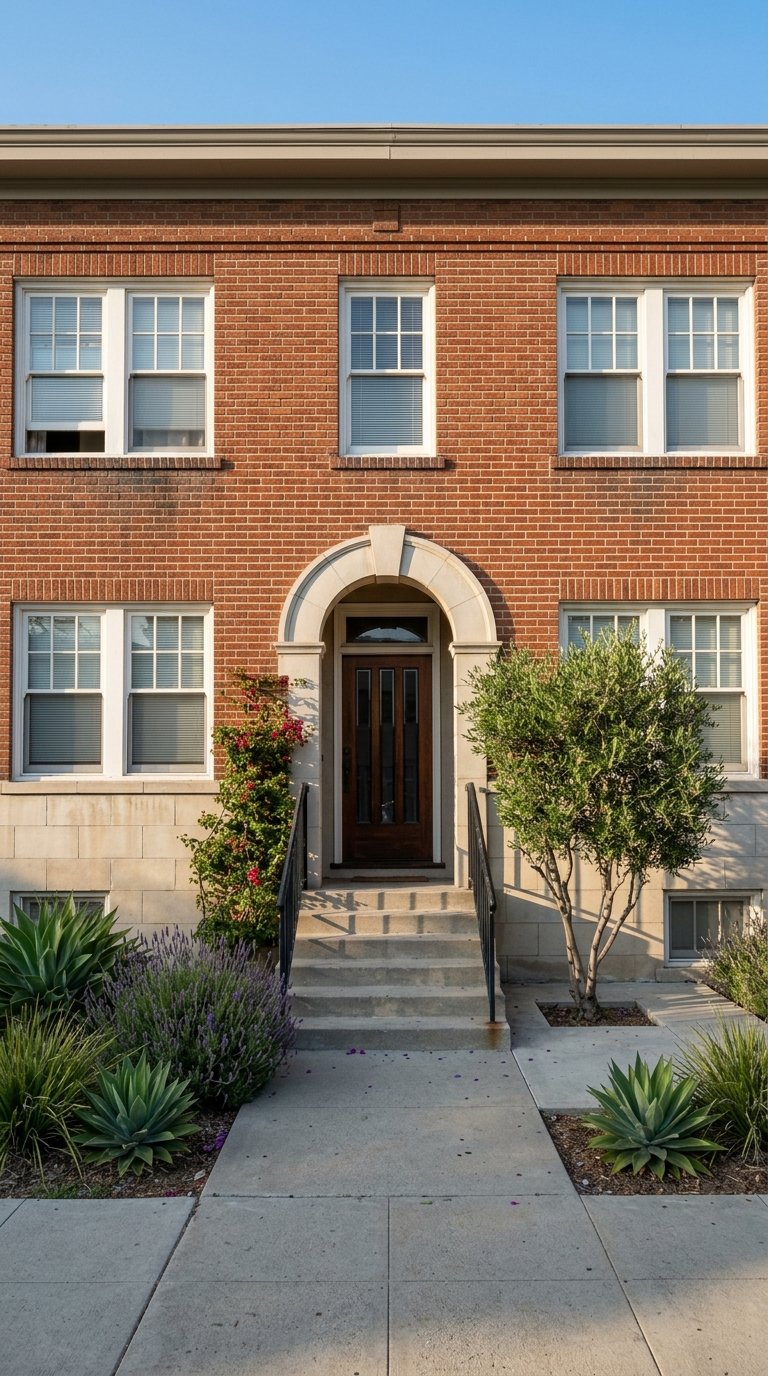
In Redondo Beach, the city’s Mixed-Use Transit Center designation allows integrated commercial, office, hospitality, hotel, and residential uses near transit stations. In residential districts, the RMD and RH categories allow housing types such as single-family homes, duplexes, townhomes, condominiums, and apartments.
The Residential Overlay is also intended to encourage infill housing in areas with transportation alternatives. For buyers, that means there are housing choices that align with a more connected, lower-driving routine.
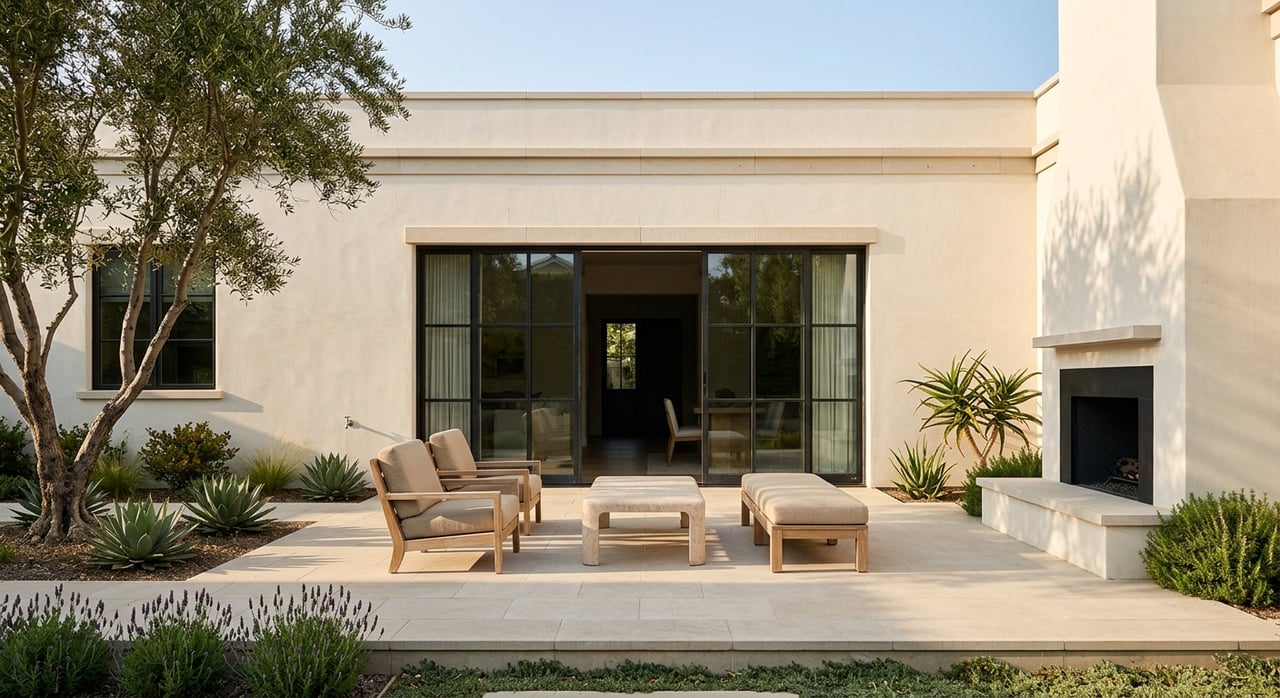
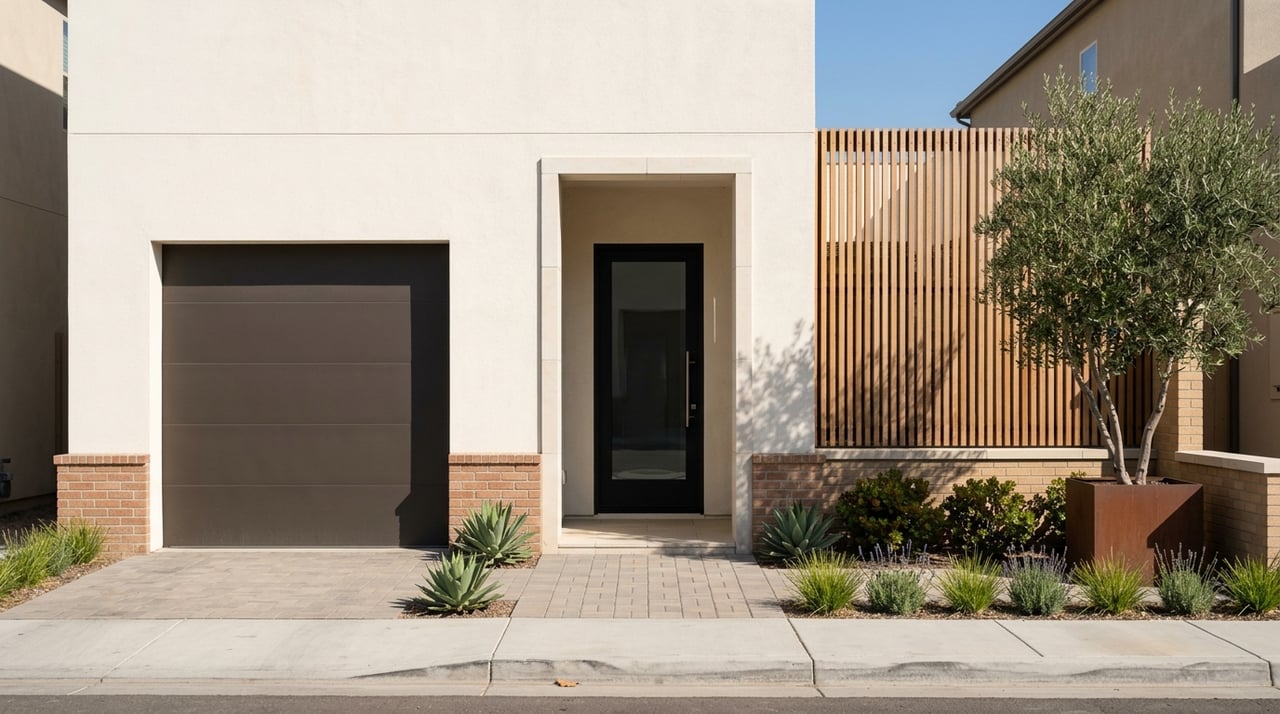
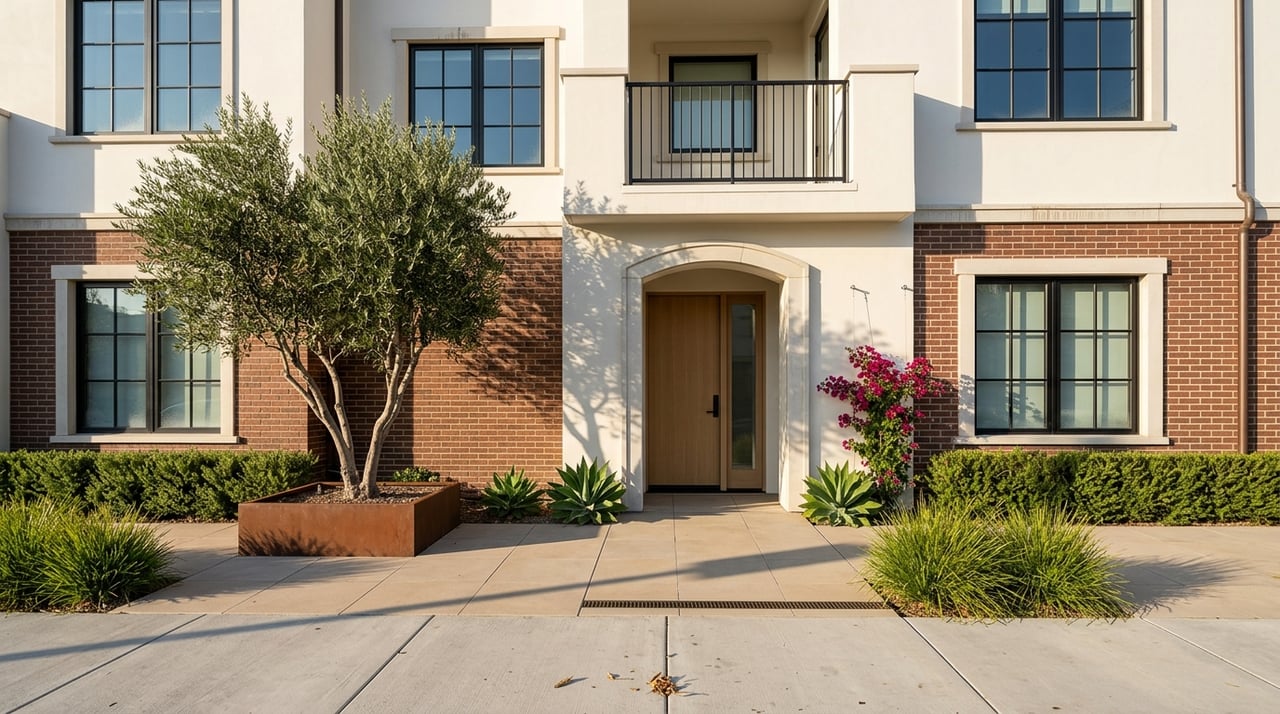
In practical terms, condos and townhomes near Riviera Village, PCH South, or the Galleria are often among the best-positioned options for car-light living. Beach-close single-family homes can work too, but they are usually most convenient when they sit close to the waterfront, a corridor, or a village center.
Who Benefits Most From Car-Light Living Here
This lifestyle tends to work best if your goal is to stack everyday experiences into a shorter radius. If you want to mix beach time, dining, errands, and transit access in one area, Redondo Beach offers several promising pockets.
It can be especially appealing if you are relocating from a city neighborhood and want to keep some sense of convenience and mobility. It can also make sense if you are buying a second home or coastal property and want a more relaxed routine once you arrive.
The best fit is often for buyers who are comfortable driving less, not necessarily never driving. That distinction helps set a realistic plan as you narrow your home search.
Best Areas to Prioritize
If car-light living is high on your list, start by focusing on the parts of Redondo Beach where walkable shopping, beach access, and transit overlap most clearly. Based on city planning and county information, the strongest areas to explore are:
- South Redondo
- Riviera Village
- The Pier and Harbor area
- Select North Redondo corridors near the Galleria, Artesia, and Aviation
Each area offers a slightly different version of the lifestyle. Some feel more beach-centered and pedestrian-friendly, while others lean more toward corridor access, transit connections, and mixed-use convenience.
What to Look For When Home Shopping
If you are serious about reducing car use, it helps to evaluate homes through a different lens. A beautiful property can still feel inconvenient if your everyday destinations are spread too far apart.
As you compare options, consider:
- Distance to shops, dining, and personal services
- Access to Beach Cities Transit or Metro connections
- Proximity to the waterfront or bike path
- Whether the home sits near a mixed-use corridor or neighborhood center
- How easily your usual routine could happen without driving every time
This kind of search is personal. What feels walkable to one buyer may feel too far to another, so it helps to map your actual habits, not just the address.
If you are exploring Redondo Beach with a lifestyle-first mindset, working with an advisor who understands both location and day-to-day flow can make the process much smoother. If you want help identifying the pockets of Redondo Beach that best match your routine, goals, and housing preferences, Christina Yelnick can help you find the right fit.
FAQs
Is Redondo Beach good for car-light living?
- Yes. Redondo Beach can work well for car-light living, especially in areas where walkable commercial districts, beach access, and transit overlap.
Which part of Redondo Beach is most walkable for daily errands?
- South Redondo, especially around Riviera Village, is the clearest example of a neighborhood-oriented, walkable mixed-use district.
Can you live in Redondo Beach without a car?
- Some residents may be able to reduce car use significantly, but Redondo Beach is generally best described as car-light rather than fully car-free.
Does Redondo Beach have public transit connections?
- Yes. Beach Cities Transit serves the South Bay and connects with several regional systems, and Metro’s K Line reaches Redondo Beach Station.
Is North Redondo a good option for car-light buyers?
- It can be, especially in select pockets near the Galleria, Artesia, and Aviation corridors where transit-oriented and mixed-use planning is a focus.
What housing types fit car-light living in Redondo Beach?
- Condos, townhomes, apartments, duplexes, and some single-family homes can all fit, with the strongest options often found near mixed-use districts, transit, and coastal amenities.