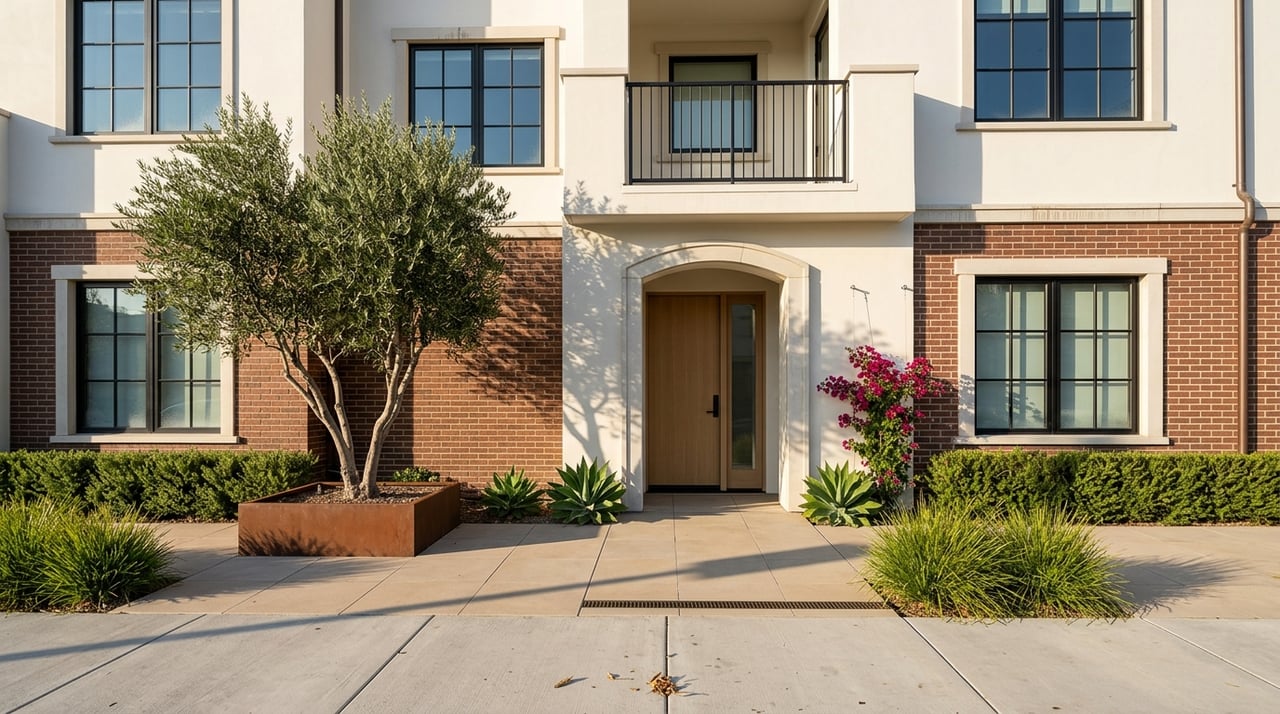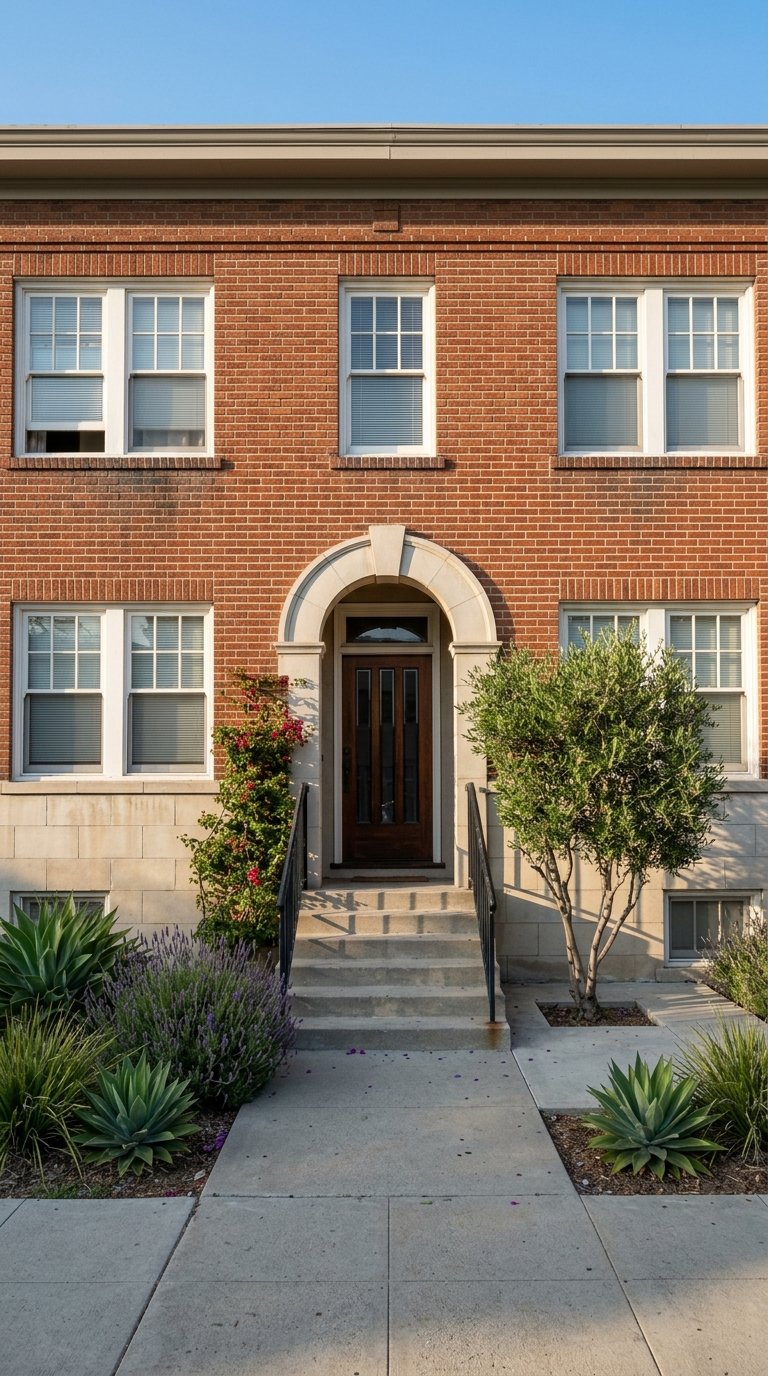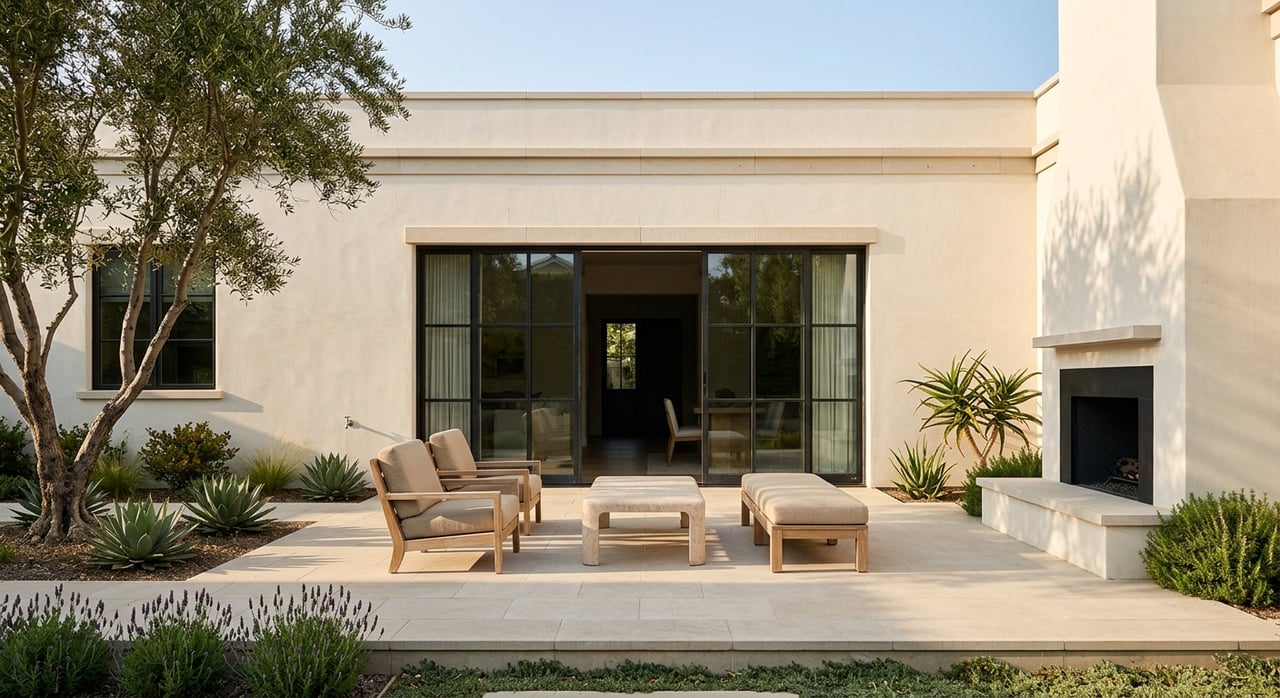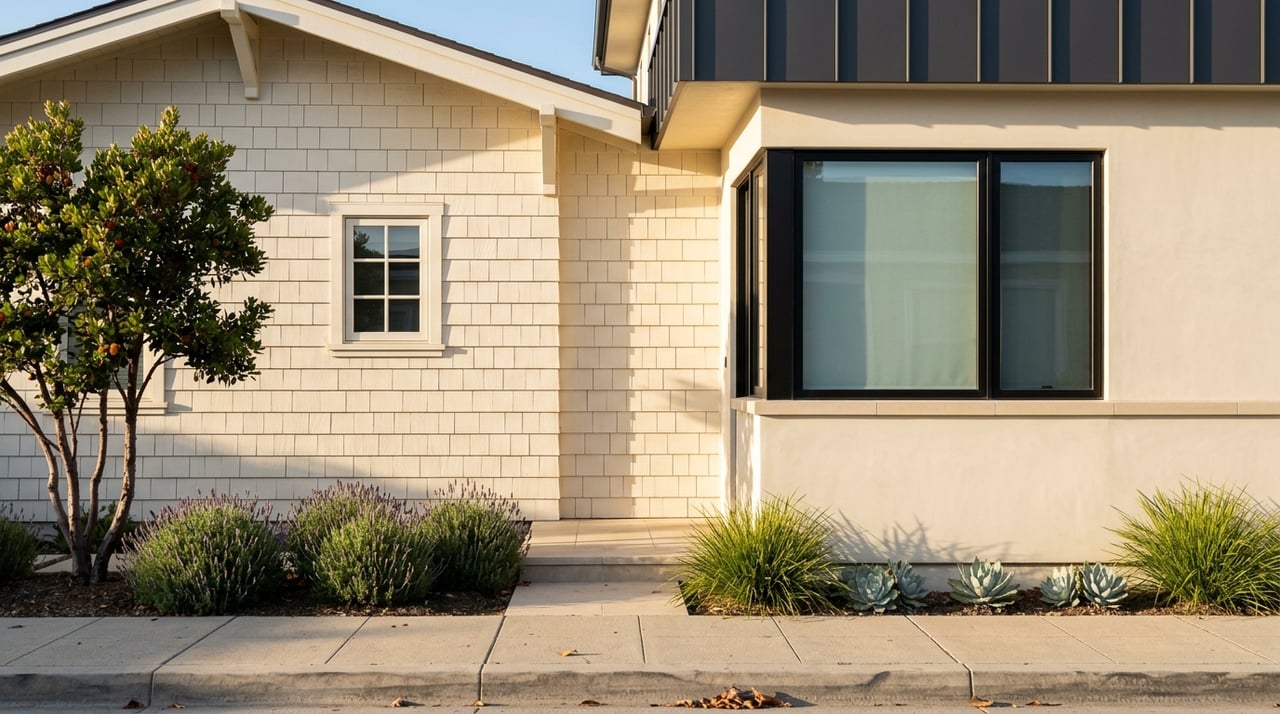
If you are deciding between new construction and a classic cottage in Manhattan Beach, the style question is only part of the story. What really shapes your experience is the lot, the zoning envelope, the permit path, and how much future work you want to take on. If you want to buy with fewer surprises and a clearer long-term plan, this guide will help you sort through the tradeoffs. Let’s dive in.
Why This Choice Feels Different Here
In Manhattan Beach, the city does not regulate homes as “cottages” versus “new construction.” Instead, it looks at zoning district, area district, coastal status, historic status, and the permit path for the property.
That matters because two homes with a similar look can come with very different rules and future options. In practice, you are often choosing between an older small-home path with more charm and possible retrofit work, or a teardown and new-build path with more design control and current-code alignment.
The local context also helps explain why this decision feels so personal. Manhattan Beach has many older structures that remain part of the city’s visual history, even as redevelopment continues.
At the same time, the city has adopted bulk, volume, and mansionization standards aimed at reducing visual mass, increasing open space and setbacks, and encouraging the retention of smaller homes. So if you love a classic cottage feel, that preference lines up with a broader local interest in neighborhood scale.
What New Construction Offers
More Control Over Layout
New construction usually gives you the clearest path to a fully code-compliant layout. You can often get a more intentional floor plan, updated systems, and a design that reflects how you actually live today.
That said, design freedom is not unlimited. In Manhattan Beach, the buildable envelope still depends on lot area, lot width, setbacks, and maximum height, and those standards vary by district.
The current standards show larger single-family envelopes in Districts I and II and a tighter coastal-area envelope in District III. Front setbacks can range from 20 feet down to 5 feet, rear setbacks from 12 feet down to 5 feet, and maximum heights from 26 feet to 30 feet depending on the area.
Easier Alignment With Current Codes
For many buyers, one of the biggest benefits of new construction is that the home is built around today’s standards from the start. Manhattan Beach says plans submitted now are subject to the 2025 California Building Standards Code, including the California Residential, Energy, and Green Building Standards Codes.
California’s 2025 Energy Code applies to new construction, additions, and alterations, and it governs energy and water efficiency as well as indoor air quality requirements. In plain terms, that often means a newer home is the easier route if you want updated performance and fewer immediate system upgrades.
You may still make custom choices around finishes and materials, but the starting point is usually more streamlined. That can feel especially appealing if you are relocating, buying a second home, or simply want fewer projects after closing.
More Steps Before Move-In
The tradeoff is that a new-build path usually involves more moving parts. If a property is in the Coastal Zone, Manhattan Beach requires a coastal permit unless the project is exempt or excluded.
Construction can also trigger other approvals. Any construction, remodel, or demolition that affects the public right-of-way requires a permit, and all construction sites in Residential Districts III and IV need a Construction Management and Parking Plan.
So while new construction can offer a cleaner finished product, it often comes with more entitlement, plan-check, and site-management steps. If you are comparing a resale purchase to a lot or teardown opportunity, that difference matters.
What A Classic Cottage Offers
Character That Fits Manhattan Beach
A classic cottage can offer something that is hard to recreate: an older, smaller-scale home that feels connected to the city’s past. Manhattan Beach notes that it was incorporated in 1912, began as a resort town, and still has many older structures despite redevelopment pressure.
That helps explain why these homes remain so appealing. They are part of the visual fabric of the community, and they often fit naturally with the city’s stated goals around scale, light, air, open space, and the retention of smaller homes.
It is also important to use the term correctly. “Classic cottage” is a descriptive style label, not a formal zoning category.
More Potential For Upgrades
With an older home, you should expect a closer review of condition and permit history. Manhattan Beach explicitly lists re-roofing, window retrofits, and plumbing, mechanical, or electrical upgrades as work that can require permits.
That does not mean older homes are a bad choice. It simply means your budget and timeline may need to leave room for repairs, modernization, or permit-related follow-up after you buy.
If the house has existing nonconformities, future remodel plans can get more complicated. The city requires a 50% Rule Acknowledgement form for certain projects below 50% of reconstruction cost, and it also has a Partial Demolition Acknowledgement form for remodels where existing nonconformities remain.
More Attention To History And Significance
If a property is historic or culturally significant, your renovation path may involve another layer of review. Manhattan Beach requires a Certificate of Appropriateness for alteration, restoration, rehabilitation, construction, relocation, or demolition involving a historic or culturally significant landmark.
The city’s preservation program is voluntary, and owner consent is required for landmark designation. Still, if you are buying an older home because you may want to restore or expand it later, this is a key issue to understand up front.
There can also be upside. Manhattan Beach’s Mills Act program can provide property tax reductions for owners who agree to preserve and rehabilitate qualifying historic properties through a preservation agreement.
Why Lot Geometry Can Change Everything
Small Lot Differences Matter
In Manhattan Beach, the lot often matters as much as the house. The planning division maintains handouts for building height, lot depth and width, open space, accessory structures, and basement and story questions, which tells you how central geometry is to residential planning.
That is especially important with older cottages. A small or irregular parcel may limit what you can add later, even if the current house feels workable today.
The city’s minor-exception rules specifically mention small, wide, shallow, multiple-front-yard, and other unusually shaped lots. That is useful to know when a home sits on a legacy parcel that does not fit a standard pattern.
Irregular Sites Need Extra Review
Some parcels come with layout conditions that are easy to miss when you are focused on the house itself. For example, the code defines a flag lot as a parcel created behind another lot, where only the front lot has street frontage.
Sites with alley access, unusual depth, or irregular width can affect setbacks, access, future additions, and overall design potential. If you are choosing between an older cottage and a newer home, this is one of the most practical reasons to compare the parcel, not just the architecture.
Questions To Ask Before You Buy
Start With Coastal Status
Ask whether the property is inside the Coastal Zone. This can change the permit path and affect future remodels, additions, and redevelopment options.
This is one of the first questions worth answering because it shapes so many later decisions. A home that looks straightforward on the surface may involve a more complex approval path if it sits in the coastal area.
Ask For The Residential Building Report
Before a sale or exchange, the seller or seller’s representative must obtain a Residential Building Report. This report shows the authorized use, occupancy, and zoning classification for the parcel.
For buyers, this is one of the most useful documents to request early. It can help you understand what the city recognizes as legal and authorized before you make plans based on assumptions.
Review Permit And Plan History
The city archives building plans, and residential microfiche built before May 1, 2005 has been digitized. That can help you and your inspector, architect, or contractor understand what was legally built and what may be missing from the record.
This is especially helpful with classic cottages and heavily remodeled older homes. If your long-term plan includes adding space or reworking the layout, plan history can save time and reduce surprises.
Think Beyond Today’s Floor Plan
If you may want an ADU, JADU, or additional units later, ask how the parcel is zoned and what rules apply. Manhattan Beach says ADUs are permitted in single-family and multifamily zones, JADUs are permitted in single-family zones, and RS-zoned parcels are eligible for SB 9 urban lot splits and up to four residential units under state and local rules.
The city also notes that its 2025 local coastal-zone ADU and JADU amendments are still awaiting Coastal Commission certification, so coastal-zone proposals are currently governed by state law as applicable. In other words, your five-year plan should be part of your purchase decision from day one.
Which Option Is Better For You?
New Construction May Fit You Best If
- You want a home that is more closely aligned with current building and energy standards
- You value a modern layout and updated systems
- You prefer fewer immediate repair projects after closing
- You are comfortable with a price point that reflects newer construction and its design process
A Classic Cottage May Fit You Best If
- You care deeply about original character and smaller-scale design
- You are open to future maintenance, upgrades, or phased improvements
- You see value in a home that feels tied to Manhattan Beach’s older fabric
- You are willing to study the lot, permit history, and nonconformity issues before making a decision
The Smartest Way To Frame The Decision
Instead of asking only whether you want a cottage or a new house, ask which property best supports your next five years. In Manhattan Beach, coastal status, lot geometry, nonconformities, and permit path often matter more than the label attached to the home.
That is why a thoughtful buying process matters here. When you understand the parcel, the code envelope, and the likely renovation path, you can buy with much more confidence.
If you are weighing a classic cottage against newer construction in Manhattan Beach, Christina Yelnick can help you evaluate the lifestyle fit, property details, and long-term tradeoffs so you can move forward with clarity.
FAQs
What does “classic cottage” mean in Manhattan Beach real estate?
- In Manhattan Beach, “classic cottage” is a descriptive style term, not a formal zoning category. The city regulates properties based on zoning, area district, coastal status, historic status, and permit path.
What should buyers know about new construction in Manhattan Beach?
- New construction can offer more control over layout and easier alignment with current codes, but it may also involve more planning, permits, and construction-management steps, especially in the Coastal Zone or when work affects the public right-of-way.
What should buyers check before buying an older cottage in Manhattan Beach?
- You should review coastal status, permit history, possible nonconformities, and whether the property has historic or culturally significant status. The Residential Building Report is also important to request early.
How does coastal status affect a Manhattan Beach home purchase?
- A property in the Coastal Zone may require a different permit path for future remodels, additions, or redevelopment. That can affect both your timeline and your long-term plans for the property.
Can lot shape affect future remodel plans in Manhattan Beach?
- Yes. Small, shallow, wide, irregular, alley-loaded, or flag lots can affect setbacks, access, and what may be possible over time, which is why lot geometry is a major part of buyer due diligence here.