Trying to choose between a loft, a walk-up, and a new build in West Town? You are not alone. In this part of Chicago, the housing search can feel surprisingly complex because the same few blocks can offer vintage low-rise condos, industrial-style lofts, and sleek newer elevator buildings. If you want to understand which option fits your budget, routine, and long-term plans, this guide will help you compare the tradeoffs clearly. Let’s dive in.
Why West Town Offers So Many Choices
West Town stands out because its housing stock is genuinely mixed. According to CMAP, 40.0% of housing units were built before 1940, while 13.3% were built in 2010 or later, and the median year built is 1968. That mix helps explain why your search may include classic walk-ups, converted loft spaces, and newer boutique condo buildings all in the same neighborhood.
The building types are mixed too. CMAP reports that 42.7% of units are in buildings with 5 or more units, 32.1% are in 3-4 unit buildings, and 10.9% are in 2-unit buildings. In practical terms, that means West Town gives you real variety, not just different listings with similar layouts.
West Town is also a neighborhood where day-to-day lifestyle matters. With 58.1% renter-occupied and 41.9% owner-occupied housing, plus a commute profile that includes both work-from-home households and transit users, buyers often weigh how a home feels and functions just as much as the price or square footage.
Walk-Up Condos in West Town
What a walk-up usually means
A walk-up is a building with no elevator. In West Town, that often points to older low-rise buildings, including two-flats, three-flats, and small condo conversions that reflect classic Chicago housing patterns.
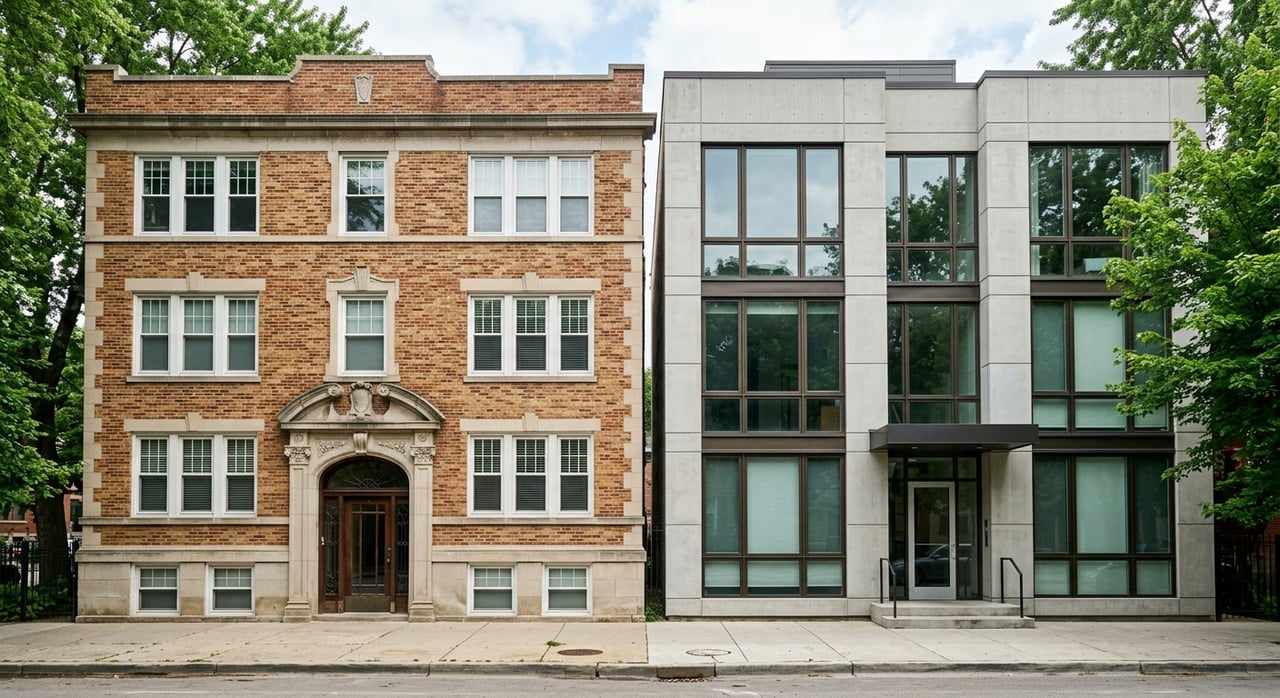
These homes often feel more residential and more tied to the neighborhood’s architectural character. Chicago’s traditional two- and three-flats are known for features like brick or stone exteriors, bay windows, cornices, and narrow gangways. If you love vintage detail and a smaller-building feel, a walk-up can be especially appealing.
Why buyers like walk-ups
Walk-up condos often attract buyers who want charm over amenities. You may find more traditional room-by-room layouts, more architectural detail, and a less amenity-driven ownership experience than in newer buildings.
That smaller scale can also mean a quieter common-area experience in some cases. Instead of a large lobby, multiple elevators, and extensive shared facilities, you may have a simpler building footprint and a more straightforward setup.
What to watch for in a walk-up
The obvious tradeoff is the stairs. That matters for groceries, moving day, guests, pets, and long-term mobility. A third-floor unit may feel fine today, but it is smart to picture your daily routine a few years from now too.
Older buildings can also come with more variation in finishes and systems. Some walk-ups have been beautifully updated, while others may still have dated utilities or deferred maintenance. In West Town, the building itself matters just as much as the individual unit.
Loft Living in West Town
What makes a loft different
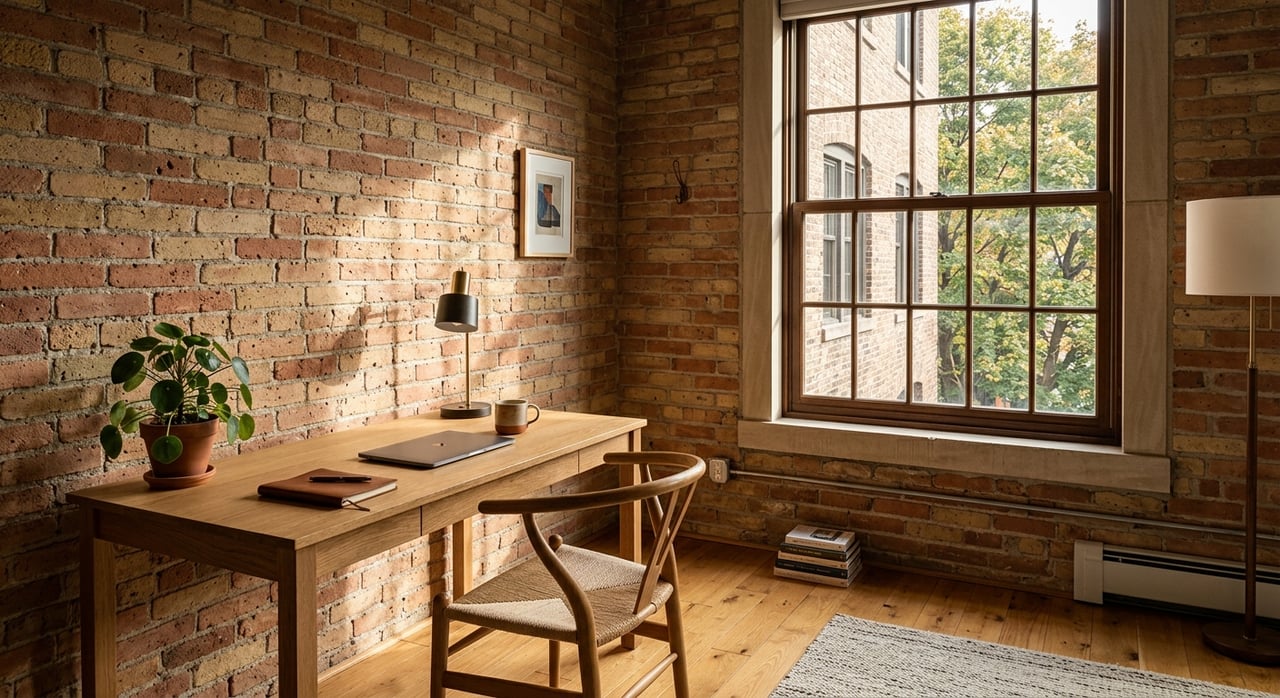
Lofts in West Town often come from repurposed industrial buildings or projects that blend older structures with newer additions. Local examples in the area highlight features like 11-foot-plus ceilings, exposed brick, exposed masonry, timber elements, and large windows.
The biggest draw is usually volume. A loft can feel brighter, more open, and more visually distinctive than a conventional condo with standard ceiling heights and a more segmented floor plan.
Why buyers love lofts
If you are drawn to character, lofts can be hard to beat. Exposed materials, taller ceilings, and larger open living areas create a look and feel that many buyers simply cannot get in a standard condo.
Lofts can also work well for buyers who want flexible main living space. If your ideal home centers on entertaining, a dramatic living room, or a more design-forward vibe, this style often stands out.
Where lofts can be less practical
The label “loft” does not automatically mean better functionality. Because lofts often lean open rather than compartmentalized, privacy, storage, and separation between living and working areas can be more limited.
If you work from home, pay close attention to the actual floor plan. In West Town, some lofts deliver beautiful space but less definition between rooms, which can matter if you need a dedicated office zone or quieter sleeping areas.
New Build Condos in West Town
What new construction usually offers
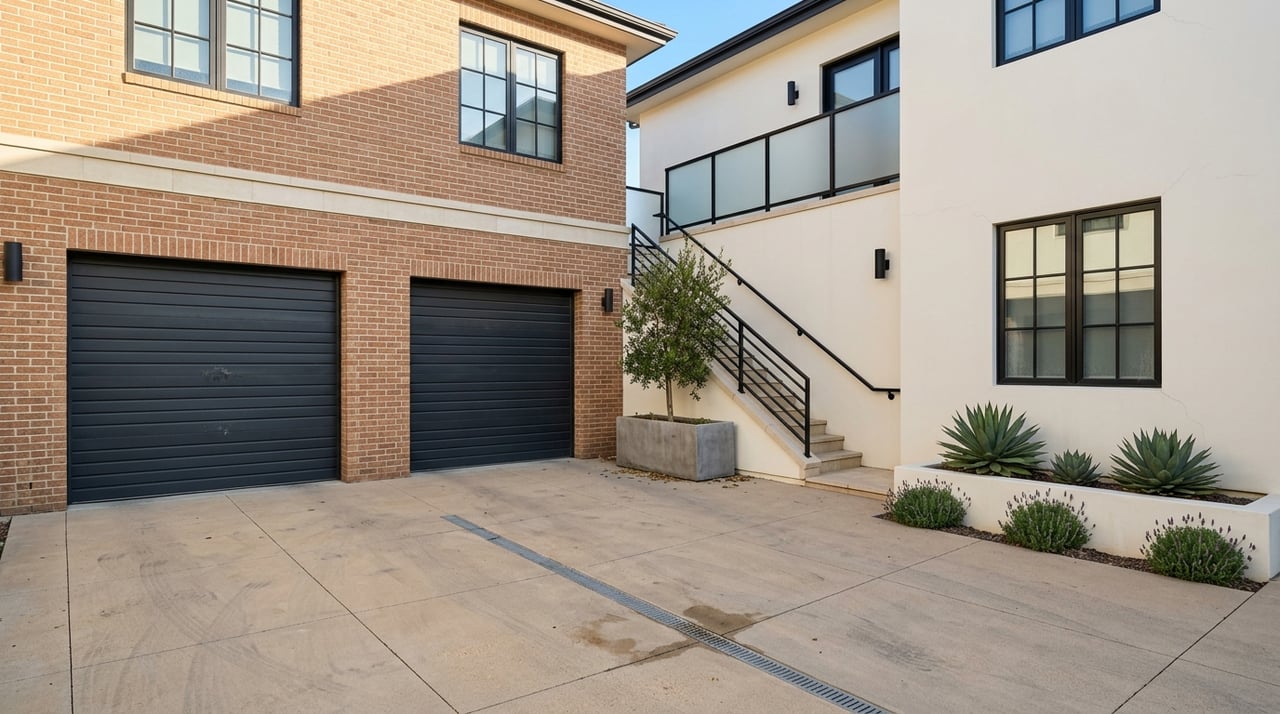
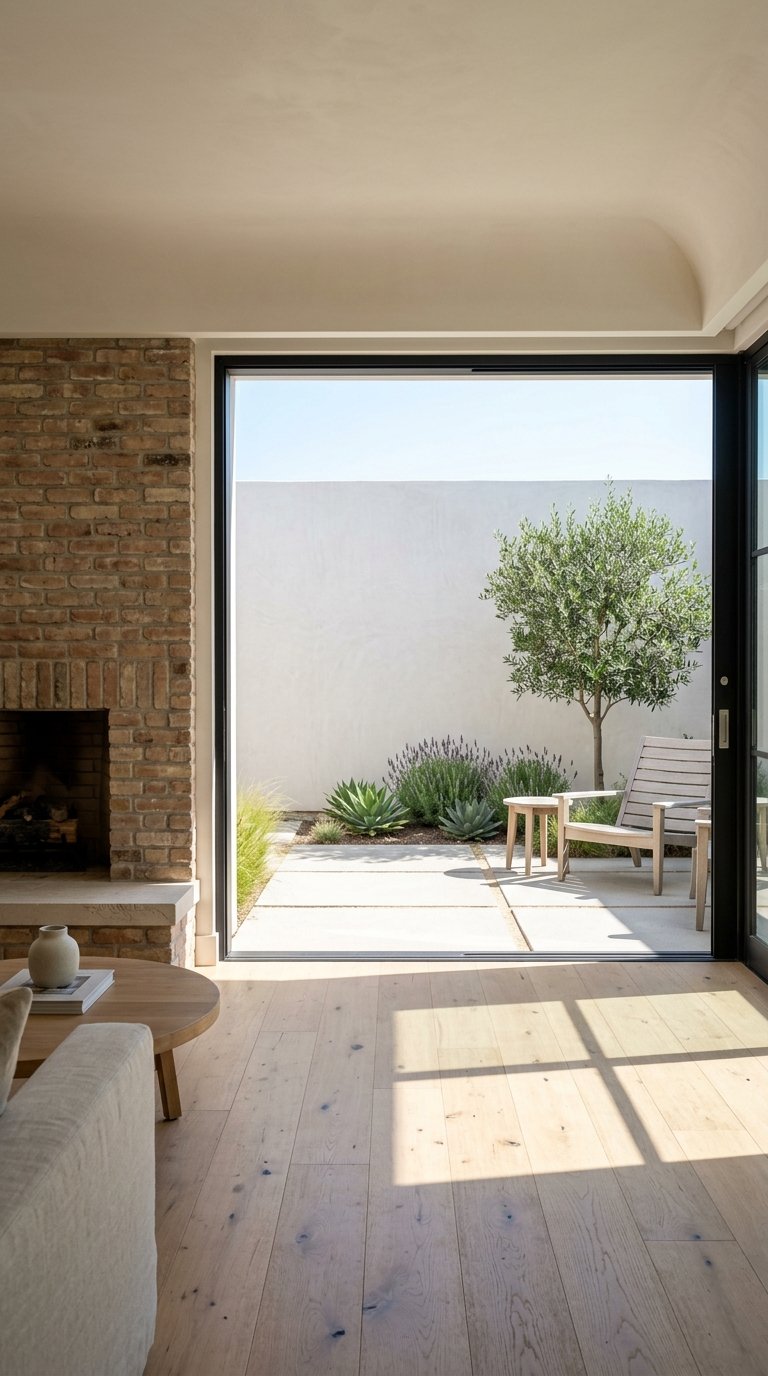
Newer West Town condo projects tend to be boutique-scale rather than full-service towers. Current examples in the area highlight features like elevators, attached heated garages, private outdoor space, rooftop decks, built-in storage, full-size in-unit laundry, soundproof windows, and noise-dampening construction.
For many buyers, the biggest advantage is predictability. New construction often comes with more standardized finishes, newer systems, and a clearer amenity package, which can make comparison shopping easier.
Why buyers choose new builds
Convenience is a major selling point. Elevator access, modern security features, garage parking, and newer building systems can make daily life feel simpler and more comfortable.
New builds also tend to appeal to buyers who prefer cleaner lines and current materials over vintage detail. If you want less guesswork around near-term maintenance and a more polished turnkey feel, this category often checks those boxes.
What to weigh before you buy
The tradeoff with new construction is that you may give up some architectural character. West Town’s charm often comes from its older masonry buildings and historic housing types, so the decision can come down to whether you value convenience more than vintage personality.
It is also important to look beyond the finishes. Even in a newer building, you should still review the association budget, reserve planning, and monthly assessments carefully.
How Layout Changes Daily Living
Traditional layouts in walk-ups
Walk-ups usually offer the most traditional floor plans of the three options. Separate rooms can be helpful if you want more privacy, clearer bedroom boundaries, or a more defined work-from-home setup.
That layout can feel especially practical if more than one person is sharing the space. You may have less dramatic volume than a loft, but more day-to-day structure.
Open volume in lofts
Lofts usually emphasize openness and ceiling height. That can make even a modest footprint feel larger, especially when big windows bring in extra light.
At the same time, open space is not the same as usable storage or privacy. Before falling for the aesthetic, think about where your desk, dining table, and everyday clutter will actually go.
Standardized plans in new builds
New construction usually offers the most standardized layouts. That can be a plus if you want efficient use of space, built-in storage, and a floor plan that feels designed around current living patterns.
These homes may feel less unique, but often more intuitive. For some buyers, that tradeoff is worth it.
Finishes, Amenities, and Comfort
Finishes vary most in walk-ups
In a walk-up, finishes can vary widely depending on when and how the unit was updated. Two condos in similar-looking buildings can feel completely different inside.
That means you should judge each unit on its own merits. Do not assume a charming exterior tells you much about the kitchen, baths, windows, or mechanical updates.
Lofts lean into materials and mood
Lofts often highlight exposed brick, timber, masonry, and larger windows. These design elements create strong visual appeal and a sense of history that many buyers love.
Still, style should not be the only factor. Look closely at storage, bedroom separation, and whether the finishes fit the way you actually live.
New builds bring more built-in convenience
New builds are the most likely to include elevators, garages, rooftop decks, modern security, and integrated storage solutions. Those features can make a real difference if you are carrying strollers, sports gear, groceries, or just want easier day-to-day access.
Comfort can also extend to sound control. Some newer West Town buildings specifically advertise soundproof windows and noise-dampening construction, which is worth noting if street noise or neighbor noise is a concern.
Assessments Matter in Every Building Type
Monthly assessments are not just a new-build issue. Under Illinois condo law, associations must budget for common expenses and reasonable reserves for capital expenditures and deferred maintenance, and unpaid common expenses can become a lien against a unit.
In plain English, the important question is not just how much the assessment is. You also want to know what it covers, how healthy the reserves are, and whether the building may be headed toward a special assessment.
Condo and HOA dues are usually paid directly to the association rather than through your mortgage payment, and they can range from a few hundred dollars a month to more than $1,000 a month. The amount often reflects building size, reserve needs, and amenity load rather than style alone.
For West Town buyers, due diligence is especially important in older walk-ups and loft conversions. Major systems in older buildings can be more expensive to maintain over time, so reserve strength and planned capital work deserve close review.
Which West Town Home Type Fits You Best?
If you want character and neighborhood-scaled charm, a walk-up may be the best fit. If you want dramatic space and industrial style, a loft may feel more exciting. If you want convenience, modern systems, and easier predictability, a new build may be the strongest match.
In West Town, this choice is rarely just old versus new. More often, it is a three-way tradeoff among stairs, openness, and modern services.
The best decision comes from matching the home to your real routine. Think about how often you work from home, how much storage you need, how long you plan to stay, and whether you care more about architectural personality or everyday ease.
If you want help comparing West Town condos with a clear eye on layout, building condition, and ownership costs, Christina Yelnick can help you narrow the options and move forward with confidence.
FAQs
What is a walk-up condo in West Town?
- A walk-up condo in West Town is typically a unit in a low-rise building without an elevator, often in older two-flat, three-flat, or small condo-conversion housing.
What makes a West Town loft different from a standard condo?
- A West Town loft usually offers more open space, higher ceilings, larger windows, and character features like exposed brick or timber, but it may have less privacy and storage than a more traditional condo layout.
What amenities are common in West Town new construction condos?
- West Town new construction condos often include features like elevators, attached garages, rooftop decks, private outdoor space, in-unit laundry, built-in storage, and updated sound-control features.
Are condo assessments higher in West Town new builds?
- Not always. Assessments in West Town can vary based on amenities, shared systems, reserve needs, and building budget, so you should review each association rather than assume one building style is always higher.
How do I choose between a loft, walk-up, or new build in West Town?
- Start with your daily priorities, including stairs, layout, privacy, storage, maintenance expectations, and desired amenities, then compare each building’s floor plan, condition, and association finances.