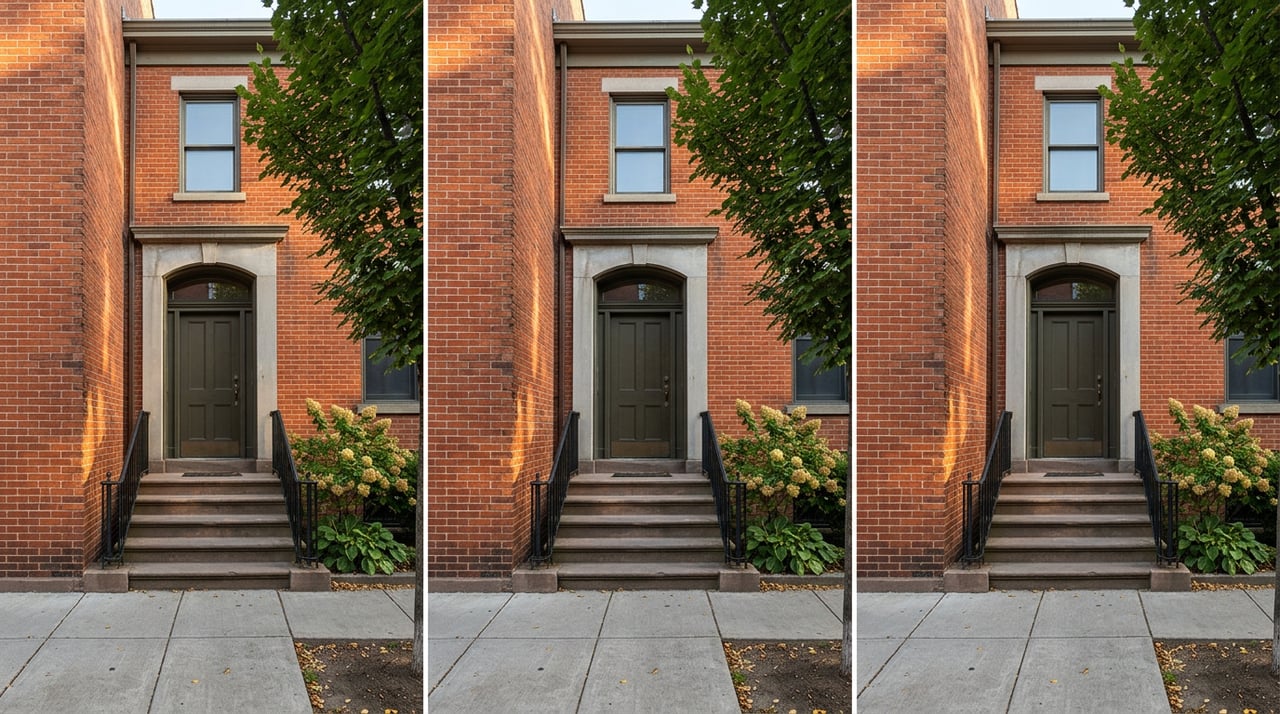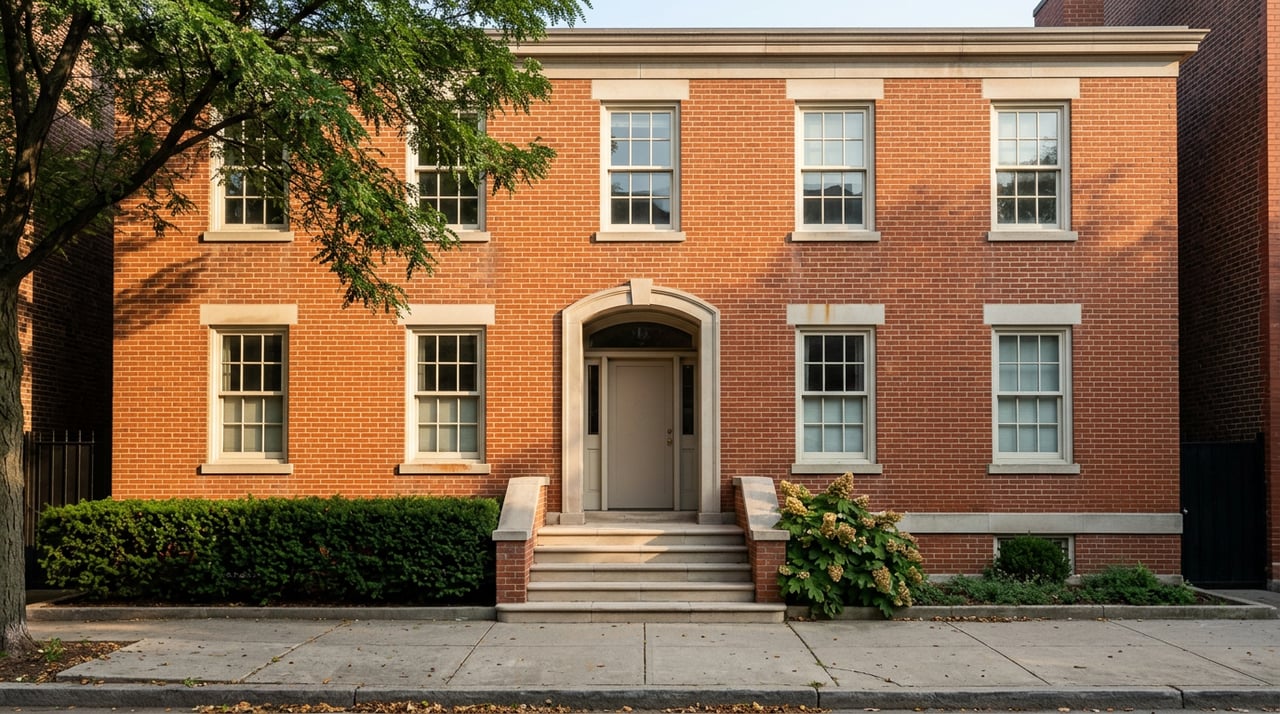
Michael Mutz has been trying to buy his first home for nine months. He's been living with his parents in Lincoln Park while he searches, watching offer after offer get outbid by buyers paying in cash, often well above the asking price. He recently toured a one-bedroom in a Lake View condo building and walked away with the same feeling he's had all year: the math isn't behaving the way it's supposed to.
"The experience is not particularly rewarding," he told a Chicago reporter this August. He didn't expect the search to take this long, and the two neighborhoods he's circling, Lake View and Lincoln Park, are exactly where that frustration is sharpest right now.
If you're comparing these two neighborhoods on a portal, they look like close cousins. Both sit on Chicago's North Side. Both hug the lakefront. Both show up on every "hottest Chicago neighborhood" list this year. What the median-price snapshot won't tell you is that they're behaving differently for two distinct reasons, and knowing which reason applies to which neighborhood changes how you should approach a search in either one.
The comps stopped meaning anything
Start with the friction buyers are actually hitting. In June 2026, homes in Lincoln Park sold for an average of $795,000, up 12 percent from $710,000 the year before, and moved off the market in an average of 17 days. A few miles north in Lake View, the average sale price was $587,500 in the same month, a 5.4 percent increase from $557,500, with homes taking closer to 23 days to sell.
Those numbers alone suggest Lincoln Park is simply the pricier, faster-moving twin. The zip code data tells a rougher story. In the 60657 zip code, which covers Lake View, Lake View East, and Roscoe Village, 63.4 percent of homes sold above their list price earlier this year, and 53 percent sold in seven days or less. One Chicago agent quoted in that same reporting, an agent named Ballard, put it plainly: comps have become close to meaningless, because homes are closing so far above their last comparable sale that the comparable stops being useful the moment it happens.
That's not a Lincoln Park problem or a Lake View problem. It's a North Side problem right now, and it shows up in the mechanics of an offer. Buyers are waiving contingencies, offering all cash, and in some cases agreeing to cover the appraisal gap, the difference between what a lender's appraiser says a home is worth and what the buyer actually agreed to pay. Dawn McKenna, founding principal of a brokerage with an office in Lincoln Park, described listing a two-bedroom with a rooftop deck for $1 million in April. It drew 17 offers and closed in May for $1.2 million, 20 percent over ask.
That's the environment. Now here's the part that doesn't fit the simple story.
The inventory paradox
In April 2026, Lincoln Park had 31 single-family homes on the market. Lake View had 10, a 54.5 percent drop from the year before. By the basic logic of supply and demand, the neighborhood with three times the inventory should have seen gentler price growth. It didn't. Lincoln Park's single-family median sale price jumped 31.1 percent that month, to $2,425,000. Lake View's single-family median rose a comparatively modest 6.5 percent, to $1,837,500.
More homes for sale, and a much bigger price jump. That's the number that doesn't add up if you assume scarcity is the only thing driving Chicago's North Side right now.
| Lake View | Lincoln Park | |
|---|---|---|
| Average sale price, June 2026 | $587,500 (+5.4% YoY) | $795,000 (+12% YoY) |
| Average days on market, June 2026 | 23 days | 17 days |
| Single-family homes for sale, April 2026 | 10 (-54.5% YoY) | 31 (-32.6% YoY) |
| Single-family median price, April 2026 | $1,837,500 (+6.5% YoY) | $2,425,000 (+31.1% YoY) |
Here's the mechanism that explains it. A meaningful share of Chicago's tightest inventory belongs to what agents describe as optional sellers, owners who financed at 3 percent or lower and have no financial reason to sell into a market where their next mortgage would cost double. When one of these owners does list, it's usually because a number came along that made giving up that rate worth it, and that number tends to run high. Lincoln Park's single-family stock skews toward exactly this kind of owner: longer-held, often paid off, historically more insulated from needing to sell on any particular timeline. When 31 of those homes hit the market, you're not seeing genuine turnover. You're seeing a batch of optional sellers testing an unusually strong moment, pricing accordingly, and getting it.
Lake View's shrinking single-family count tells a simpler story. The neighborhood was never built with much detached housing stock to begin with. It's dense with courtyard buildings, vintage six-flats, and walk-ups. When single-family inventory drops to 10 homes, there's less "optional seller" behavior to unwind, because there was never much single-family stock sitting on the sidelines. The real competition in Lake View has moved into the condo market instead, which is exactly where the 60657 zip code numbers, and Mutz's own search, are concentrated.
Where the entry point actually sits
That shift matters if you're deciding where to look. As of early September 2026, Lake View had 159 condos on the market at a median listing price of $491,000, with the typical unit staying available for 34 days and drawing three offers. The neighborhood carries a Walk Score of 91, which is one reason condo demand there stays steady even when single-family supply nearly disappears. Lincoln Park's equivalent condo entry point doesn't show up as cleanly in the data, largely because its housing mix leans more heavily toward brownstones and single-family stock that command a premium simply for existing.
"It's a frenzy because there's so little inventory," Dawn McKenna said of the current North Side market. She called Lincoln Park one of the best markets in Chicago right now, and the data backs her up. The harder question for a buyer isn't whether that's true. It's whether the frenzy in front of you is coming from genuine scarcity or from an optional seller who priced the exit on their own terms.
Zillow's senior economist, Orphe Divounguy, framed the citywide pattern this way: Chicago sells homes fast enough that inventory can't rebuild, even when new listings tick up. That's true across both neighborhoods. It just resolves differently depending on what kind of housing stock and what kind of seller you're up against.
What this actually means for your search
If you're weighing Lake View against Lincoln Park, the honest answer isn't which one is cheaper. It's which kind of competition you'd rather fight. In Lincoln Park, you're often bidding against a smaller pool of highly motivated buyers for a home an optional seller decided was finally worth giving up. In Lake View, you're more likely bidding in a fast, high-volume condo market where speed and preparation matter more than out-negotiating a single reluctant owner.
Either way, the practical advice is the same. Get fully underwritten before you tour anything. Know in advance what you'd do if the appraisal comes in under your offer, because in this market it's a real possibility, not a hypothetical. And treat the last comparable sale as a starting point for a conversation, not a ceiling.
That's the kind of groundwork a background in structured transactions is built for, matching a buyer's actual financial position to the pace a neighborhood demands before an offer ever goes in.
If you're trying to figure out which of these two markets actually fits how you want to buy, Christina Yelnick can walk through the numbers with you street by street. Let's connect.